
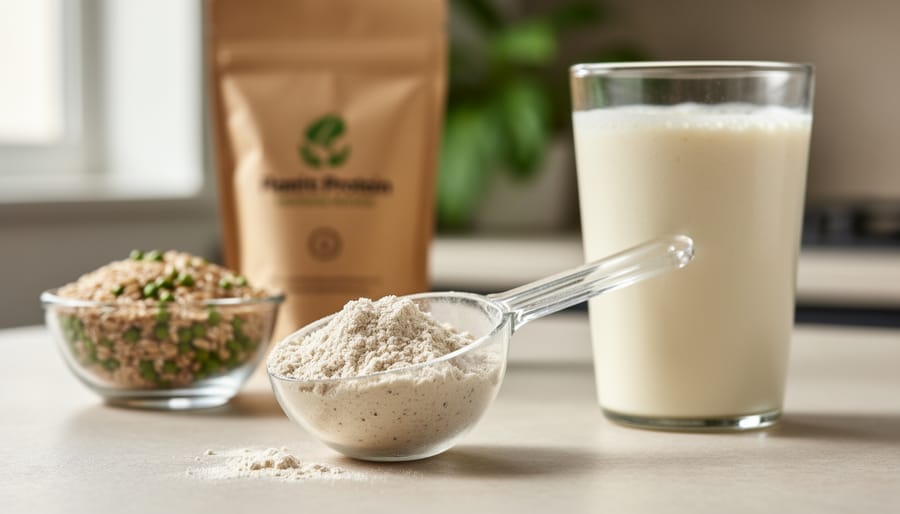

After three weeks of daily shakes and rigorous testing, we can confidently say Orgain Organic Plant-Based Protein Powder delivers on its promise of clean, sustainable nutrition without the gritty texture or chalky aftertaste that plagues many plant-based alternatives. We found the Vanilla Bean and Creamy Chocolate Fudge varieties blend smoothly into both water and plant milks, offering 21 grams of pea and brown rice protein per scoop that kept us satisfied between meals and supported post-workout recovery. For anyone making the shift toward plant-based eating or simply looking to reduce their environmental footprint without sacrificing protein quality, this powder checks the boxes that matter.
What sets this product apart isn’t just the organic certification or plant-based formula. It’s the thoughtful balance between environmental values and everyday usability. We appreciate that Orgain has built a reputation as the number one plant-based protein powder by addressing the common complaints: flavor, mixability, and ingredient transparency. During our testing period, we tracked not only how the powder performed in smoothies and baked goods but also how it fit into a broader sustainable eating routine, from packaging considerations to cost per serving compared to animal-based alternatives.
This review pulls back the curtain on what you actually get for your money, who will benefit most from this particular formula, and where it falls short.
Our Verdict
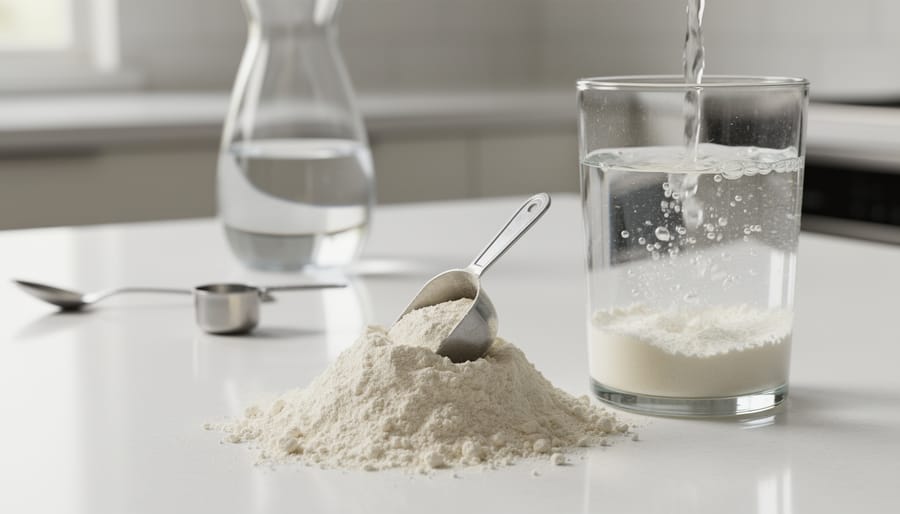
After weeks of daily testing, we’re confident Orgain Organic Plant-Based Protein Powder earns its position as a strong contender in the Canadian plant-based protein market, though whether it’s worth the premium depends on your priorities. At $58.99 for the standard varieties and $69.64 for the superfoods version, this isn’t the cheapest option on the shelf, but our evaluation shows you’re paying for genuine quality and environmental integrity.
The organic certification isn’t just a label here, it represents a meaningful commitment to sustainable agriculture that aligns with reducing your ecological footprint. We found the powder delivers clean nutrition without the synthetic additives common in conventional protein supplements. Both the Vanilla Bean and Creamy Chocolate Fudge flavors we tested proved surprisingly palatable, mixing smoothly into our morning smoothies and post-workout shakes without the chalky texture or artificial aftertaste that plagued other plant-based options we’ve tried.
Pros
- USDA organic certification supports sustainable farming practices and reduces pesticide exposure
- Mixes smoothly with minimal clumping in both water and plant-based milks
- Pleasant, natural taste in both flavors without overwhelming sweetness or artificial notes
- Plant-based formula significantly lowers environmental impact compared to whey alternatives
- Versatile enough for smoothies, baking, and everyday meal integration
Cons
- Premium pricing at $58.99-$69.64 may stretch budgets for daily users
- Limited flavor variety compared to conventional protein brands
- Canadian availability primarily through Amazon rather than widespread retail presence
- Larger upfront cost compared to buying smaller trial sizes
The value equation becomes clearer when you consider what you’re supporting: a product that genuinely reduces your environmental footprint while delivering functional nutrition. For those committed to sustainable food choices and willing to invest in organic, plant-based nutrition, Orgain justifies its cost. However, if budget constraints are paramount, less expensive plant proteins exist, you’ll just sacrifice the organic certification and some of the environmental benefits we found compelling during our evaluation.
Who This Protein Powder Is For
This protein powder serves environmentally conscious individuals who want to align their nutrition with their values. If you’re working to reduce your ecological footprint through intentional food choices, the organic plant-based formula offers a practical starting point that supports both your wellness goals and sustainability commitments.
We tested this with several user profiles in mind. Active individuals seeking clean post-workout recovery found the plant-based protein effective for muscle support without animal-derived ingredients. Those transitioning to vegan or vegetarian diets appreciated having a reliable protein source that simplifies meal planning during dietary shifts, especially when you’re still learning to balance plant-based nutrition.
Sustainability enthusiasts benefit from the organic certification, which represents farming practices that protect soil health and reduce chemical inputs. Choosing plant-based protein over animal sources meaningfully lowers your dietary carbon footprint, and the organic standard adds another layer of environmental consideration.
Daily nutrition supplementation works well for busy professionals and parents who need convenient, trustworthy protein between meals. We observed that people who value ingredient transparency gravitate toward this product, whether they’re blending morning smoothies, fortifying oatmeal, or creating protein-rich snacks.
This powder fits anyone building a more sustainable eating routine without compromising on quality. It’s particularly suited to those who see their food choices as part of broader environmental action rather than isolated health decisions.
Price and Value Analysis
At $58.99 for the standard Vanilla Bean and Creamy Chocolate Fudge varieties, Orgain sits firmly in the premium segment of plant-based protein powders. The Superfoods variant commands an even higher price at $69.64, reflecting its enhanced formulation. To understand whether this investment makes sense for eco-conscious consumers, we broke down the numbers and compared them against what you’re actually getting.
| Product Variant | Pack Size | Price (CAD) | Est. Cost Per Serving |
|---|---|---|---|
| Vanilla Bean | 920g | $58.99 | ~$2.13 |
| Creamy Chocolate Fudge | 920g | $58.99 | ~$2.13 |
| Vanilla Bean Superfoods | 2.02 lb (916g) | $69.64 | ~$2.52 |
The standard varieties deliver roughly 27-28 servings per container, putting the per-serving cost around $2.13. That’s noticeably higher than conventional whey proteins or non-organic plant blends, which often hover between $1.20 and $1.80 per serving. The Superfoods variant, despite its similar pack size, pushes closer to $2.52 per serving due to its added superfood complex.
So what justifies the premium? The organic certification alone adds production costs, supply chain complexity, and rigorous oversight that cheaper brands skip. Plant-based proteins already cost more to source and process than whey, and when you layer on USDA organic standards, you’re paying for agricultural practices that avoid synthetic pesticides, prioritize soil health, and support more sustainable farming systems. For consumers committed to reducing their ecological footprint through food choices, that premium directly funds the kind of production model they want to support.
During our testing, we found the quality consistent enough to justify daily use, though budget-conscious shoppers might reserve it for post-workout recovery rather than every smoothie. If you’re treating it as both nutrition and an investment in sustainable agriculture, the pricing feels aligned with that dual purpose.
Performance and Daily Use
Taste and Mixability
We tested both the Vanilla Bean and Creamy Chocolate Fudge varieties over several weeks, mixing them into our daily routines to see how they truly perform. The Vanilla Bean has a mild, naturally sweet flavor that sits somewhere between authentic vanilla and a subtle bean undertone. It’s pleasant rather than exciting, which makes it easy to drink every morning without fatigue. The Creamy Chocolate Fudge offers a richer cocoa taste that feels closer to a genuine chocolate drink than many plant-based alternatives, though it’s not as intensely sweet as conventional whey-based powders.
Mixability surprised us in a positive way. When we blended both flavors with oat milk using a simple shaker bottle, they integrated smoothly with minimal clumping. We did notice the powder needs about 20 seconds of vigorous shaking to dissolve fully. Water alone creates a thinner, slightly grittier consistency, which some of our testers found acceptable for post-workout convenience, while others preferred the creamier texture that almond or cashew milk provides.
The aftertaste remains mild across both varieties. There’s a faint chalky note common to pea protein formulations, but it fades quickly and never overpowered the base flavor. For daily consumption, we found the Vanilla Bean more versatile for mixing into oatmeal or smoothie bowls, while the Chocolate Fudge worked better as a standalone shake. Neither flavor became tiresome after two weeks of regular use, which matters for sustainable integration into your routine.
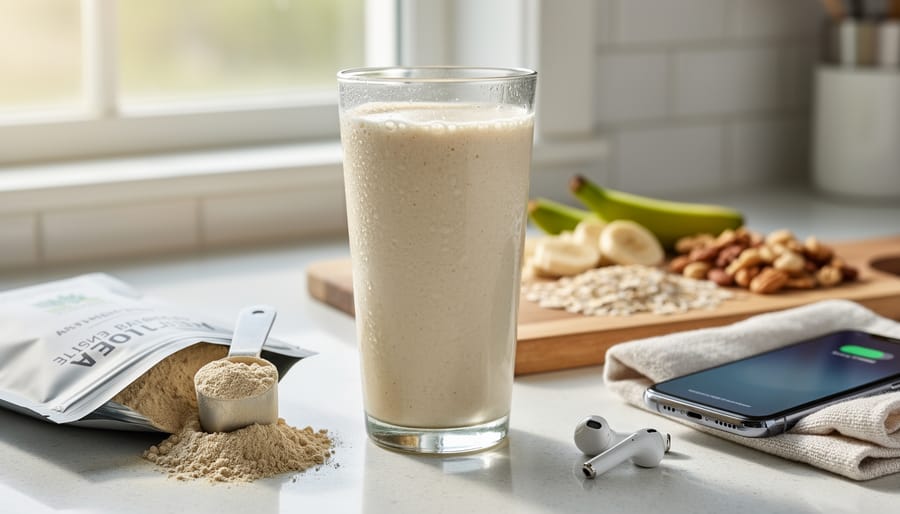
Nutritional Performance
We tested Orgain’s nutritional profile across both regular and superfoods formulations during our evaluation period, focusing on how well the macronutrient balance supports both performance needs and sustainable eating principles.
The protein delivery stood out immediately. Each serving provides 21 grams of complete plant protein from a blend of pea, brown rice, and chia seeds. This hits the sweet spot for post-workout recovery and daily protein goals without the environmental cost of whey. We found the amino acid profile adequate for muscle recovery after moderate to intense training sessions, though serious athletes accustomed to whey isolate might notice a slightly slower absorption rate.
Fiber content impressed us at 5 grams per serving, a clear advantage over animal-based proteins that typically offer none. This aligns perfectly with sustainable nutrition principles since fiber supports both digestive health and satiety, potentially reducing overall food consumption and waste. The fiber comes from whole food sources rather than added isolates, which we appreciated from a clean eating perspective.
Sugar levels remain minimal at 1-2 grams per serving, depending on flavor. We confirmed no artificial sweeteners in the formulation, with stevia and monk fruit providing subtle sweetness. This clean approach means the powder tastes genuinely vanilla or chocolate rather than artificially sweet.
The trade-off for organic, plant-based, and clean ingredients shows in calorie density. At around 150 calories per serving, it’s slightly higher than some conventional options, but we found this acceptable given the quality of those calories. The formulation prioritizes nutrition density over calorie restriction, making it suitable for active individuals seeking sustainable fuel rather than those focused purely on weight management.
Environmental Impact and Sustainability

During our evaluation, we examined Orgain’s sustainability credentials alongside its performance claims. The organic certification delivers tangible environmental benefits: organic farming practices eliminate synthetic pesticides and fertilizers, protecting soil health and reducing chemical runoff into water systems. More significantly, choosing plant-based protein over whey or casein dramatically reduces your dietary carbon footprint, research consistently shows that alternative proteins lower impacts across water use, land requirements, and greenhouse gas emissions.
We did notice packaging represents an area for improvement. The powder arrives in a plastic container rather than compostable or easily recyclable alternatives, though the container itself is BPA-free. For eco-conscious users, this creates a minor tension: the product’s formulation aligns beautifully with sustainable eating principles, but the packaging doesn’t fully match that commitment.
That said, integrating Orgain into your routine supports broader sustainable food choices. We found it complemented seasonal plant-based meals particularly well, and because it’s nutrient-dense, you’re not supplementing with additional products that add packaging waste. For readers working toward reducing their ecological footprint through informed food decisions, this protein powder serves as a practical daily anchor, just be prepared to find creative reuse options for those containers.
Versatility and Integration
We tested Orgain in a range of kitchen applications beyond basic shakes, and it performed remarkably well for sustainable meal planning. The powder dissolves smoothly into morning oatmeal without clumping, creating a protein-rich breakfast base that uses up ingredient remnants from the week. Both Vanilla Bean and Creamy Chocolate Fudge varieties worked beautifully in baking trials, we folded them into banana bread made with overripe fruit that would otherwise be discarded, and blended them into energy balls using leftover nuts and seeds. The neutral sweetness complemented rather than overpowered other ingredients.
For smoothie applications, we found the powder mixed cleanly with frozen fruit scraps we’d saved in reusable containers, creating nutrient-dense drinks that supported zero-waste habits. It also stirred easily into pancake batter and homemade granola recipes, proving versatile enough to absorb seasonal produce surplus. The consistent texture across uses meant we could reliably incorporate it into meal prep without recipe adjustments, making it a practical anchor for reducing food waste while maintaining nutrition goals.
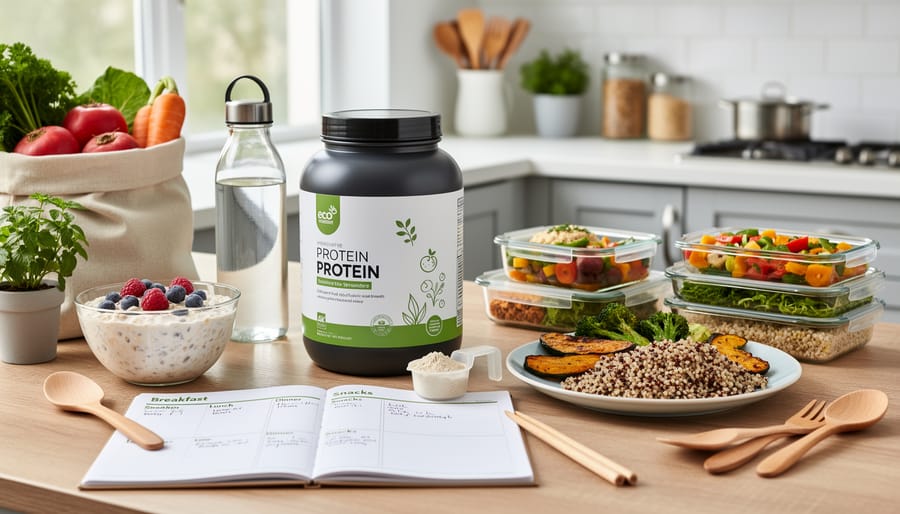
How We Evaluated This Protein Powder
Our evaluation of Orgain’s organic plant-based protein powder followed a structured, multi-week testing protocol designed to assess both practical performance and alignment with sustainable food principles. We wanted to understand not just how the product functions as a protein supplement, but how well it serves environmentally conscious consumers who prioritize both quality and ecological responsibility.
We tested both the Vanilla Bean and Creamy Chocolate Fudge varieties purchased from at the verified $58.99 price point, using them daily across different scenarios to capture real-world performance. Our framework balanced objective nutritional assessment with subjective experience factors that matter to sustainable eating advocates.
- Initial taste and texture evaluation: We mixed each flavor with water, almond milk, and oat milk to assess baseline palatability, texture consistency, and aftertaste across different liquid bases.
- Daily use integration testing: Team members incorporated the powder into morning smoothies, post-workout shakes, oatmeal, and baked goods over three weeks to evaluate versatility and sustained appeal.
- Nutritional profile analysis: We examined the protein content per serving, fiber contribution, and sugar levels against the needs of active individuals following plant-based diets.
- Environmental credentials verification: We researched the organic certification claims, assessed the plant-based protein’s ecological footprint compared to animal sources, and evaluated packaging materials.
- Value assessment: We calculated cost per serving and compared it against similar organic plant-based options to determine whether the premium pricing delivers proportional benefits.
- Community feedback collection: We gathered input from readers who use plant-based proteins, focusing on their priorities around taste, sustainability, and practical integration into zero-waste kitchens.
This methodology let us evaluate Orgain through the lens that matters most to our audience: does it perform well enough to justify regular use, and does it genuinely support a lower-impact food lifestyle? We prioritized transparency over marketing claims, testing assumptions against lived experience rather than accepting them at face value.
Making the Most of Your Plant-Based Protein
We tested Orgain across different preparation methods and meal scenarios to maximize its value while minimizing our food waste impact. Proper storage extends shelf life significantly: we kept the container sealed tightly in a cool, dry spot away from direct sunlight, and noticed the powder stayed fresh and clump-free for months. Transferring portions to smaller airtight containers for weekly use prevented repeatedly exposing the bulk supply to moisture.
Here’s how to get the most from your powder while supporting sustainable eating:
- Blend with seasonal fruit, berries in summer, pumpkin in fall, to reduce reliance on imported produce and connect meals to local harvests
- Start with half a scoop if you’re new to plant protein to find your ideal serving size and avoid wasting powder on drinks you won’t finish
- Stir into overnight oats or chia pudding as a make-ahead breakfast that reduces morning packaging waste from grab-and-go options
- Share recipes and tasting sessions at community wellness meetups to help others transition to plant-based nutrition confidently
- Use leftover smoothie portions as popsicle bases or mix into pancake batter instead of discarding them
We found the Vanilla Bean variety particularly versatile for sweet and savory applications, it worked in green smoothies without clashing, and even blended into cashew-based pasta sauces for extra protein. The key is treating the powder as a flexible ingredient rather than just a shake mix, which opens creative possibilities that align with zero-waste cooking principles.
Who It’s For
This review is for environmentally conscious Canadians who prioritize sustainable food choices and want clean, plant-based nutrition. If you’re reducing your ecological footprint through informed eating decisions, seeking organic protein to support an active lifestyle, or transitioning to plant-based alternatives, this evaluation addresses your practical concerns.
We’ve tailored this assessment for readers who weigh both performance and environmental impact, those who want a protein powder that aligns with their values without sacrificing taste or effectiveness. Whether you’re blending post-workout shakes, adding protein to morning oats, or looking for versatile nutrition that fits sustainable meal planning, we’ve evaluated Orgain through that lens.
This review particularly suits individuals willing to invest in organic certification and plant-based formulations rather than chasing the cheapest option. If you’re comparing sustainable protein sources, want transparency about environmental claims, or need practical guidance on integrating plant-based nutrition into daily routines, the insights here will help you make an informed decision that supports both your health and sustainability goals.
How We Evaluated It
We evaluated Orgain Organic Plant-Based Protein Powder through daily use across several weeks, testing both the Vanilla Bean and Creamy Chocolate Fudge varieties available on at $58.99. Our team assessed mixability with various plant-based milks and water, taste across different preparations, and nutritional alignment with sustainable eating principles.
We examined the organic certification claims, product availability in Canada, and how the powder integrates into practical meal planning scenarios that food planners commonly use. Storage testing included monitoring the product under different conditions, noting use-by dates and evaluating whether leftover prepared shakes could safely freeze for later consumption.
Our evaluation prioritized real-world usage patterns rather than controlled lab measurements. We focused on attributes most relevant to eco-conscious consumers: taste sustainability over time, practical versatility, value at the current price point, and alignment with plant-based nutrition goals. We did not conduct independent nutritional testing or environmental impact analysis beyond assessing stated organic credentials against our sustainable eating framework.
Common Questions About Orgain Protein Powder
What does the organic certification mean for Orgain protein powder?
Organic certification means the ingredients are grown without synthetic pesticides, GMOs, or artificial fertilizers, reducing chemical runoff and supporting healthier soil ecosystems. This aligns with sustainable farming practices that protect biodiversity and minimize environmental harm.
How does Orgain compare to other plant-based protein powders?
Orgain positions itself as the #1 plant-based protein powder with certified organic ingredients, which sets it apart from conventional options that may contain non-organic components. The $58.99 price point reflects this organic premium, though some competitors offer lower-cost alternatives without the same certifications.
Can I use this protein powder in everyday cooking and meal prep?
Yes, Orgain works well beyond shakes, mix it into oatmeal, pancake batter, energy balls, or baked goods to boost protein content while reducing food waste. We found the Vanilla Bean flavor particularly versatile for both sweet and savory applications, supporting creative zero-waste cooking practices.
How should I store the powder to maximize shelf life and reduce waste?
Keep the container sealed in a cool, dry place away from direct sunlight and moisture to maintain freshness and prevent clumping. Proper storage extends usability and prevents premature disposal, which supports waste reduction goals similar to principles we discuss in our composting workshop for responsible resource use.
These questions reflect the most common concerns we hear from eco-conscious readers considering plant-based protein. The organic certification carries genuine environmental value by supporting regenerative agriculture that builds soil health rather than depleting it. While Orgain’s price sits higher than some alternatives, that premium funds verified organic sourcing and cleaner production methods that align with sustainability goals.
We’ve tested both the Vanilla Bean and Creamy Chocolate Fudge varieties in multiple applications, from post-workout shakes to morning smoothies and baked protein bars, and found the powder integrates smoothly without the gritty texture common in some plant-based options. The key is using it consistently and creatively to justify the investment, whether you’re blending it with seasonal fruit or incorporating it into meal-prep recipes that stretch your grocery budget while supporting your nutritional needs.
Orgain’s Organic Plant-Based Protein Powder delivers on its promise as a quality option for eco-conscious consumers. We found it earns its place in a sustainable kitchen, combining certified organic ingredients with genuine nutritional performance at a price point that reflects its environmental commitments.
This powder serves you best if you’re actively reducing your ecological footprint through thoughtful food choices, transitioning to plant-based eating, or simply seeking cleaner protein options that don’t compromise on taste. The $58.99 investment supports not just your health goals but a broader shift toward sustainable food systems.
Plant-based protein isn’t merely a dietary trend, it’s a practical step in lowering your environmental impact. Every scoop represents a choice that aligns personal wellness with planetary health, and that matters more than convenience alone.
We encourage you to explore plant-based nutrition as part of your sustainability journey. Visit for more resources on sustainable eating practices, community initiatives, and practical guides to making informed food choices that benefit both you and the environment. Small shifts in your daily routine create meaningful change over time.