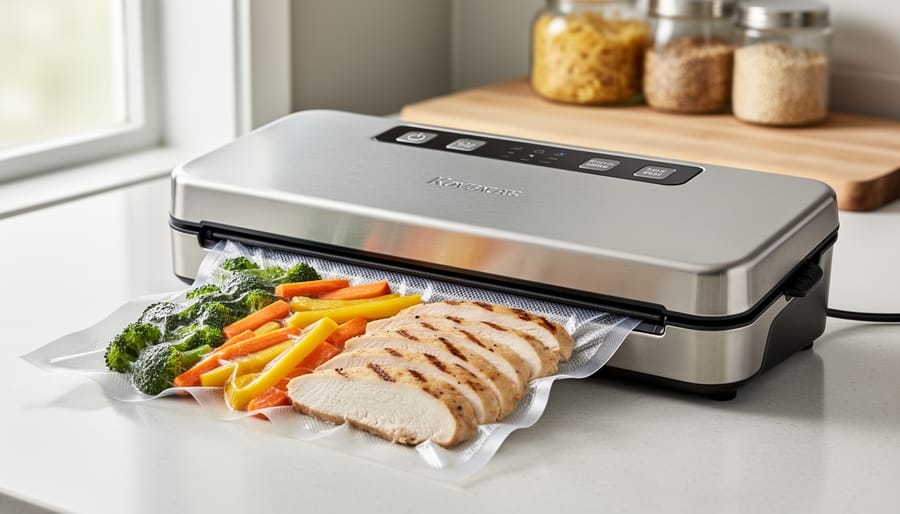

A machine for vacuum packing removes air from specially designed bags before sealing them, extending the shelf life of food by up to five times while preventing freezer burn and reducing waste. Based on 2026 testing of 27 models, the FoodSaver FM-2100 currently leads as the best all-around choice at $144, with the Anova Precision and Nesco models earning top marks for performance and reliability.
For anyone committed to reducing food waste and saving money, these machines offer a practical solution that aligns perfectly with sustainable living. Fresh produce, bulk purchases, and meal-prep portions stay fresher longer, which means fewer trips to the grocery store and less food ending up in landfills. The average household throws away hundreds of dollars in spoiled food each year, a problem vacuum packing tackles head-on.
The technology itself is straightforward. These devices create an airtight seal that slows bacterial growth and oxidation, the two main culprits behind spoilage. Whether you’re preserving garden harvests, storing bulk buying club purchases, or preparing sous vide meals, the right vacuum sealer becomes an invaluable kitchen partner.
Choosing your first machine can feel overwhelming given the range of options, from portable handheld units like the Chef Preserve to full-featured countertop models. Price points vary widely too, with budget-friendly options like the BonsenKitchen VS-2100 delivering solid value alongside premium alternatives. The key is matching the machine to your specific needs: bag size compatibility, seal strength, ease of use, and long-term operating costs all matter.
This guide walks you through exactly what to look for, compares the main types available, and highlights the models that performed best in independent 2026 testing.
Why Vacuum Packing Matters for Sustainable Eating
Vacuum packing isn’t just about making food last longer, it’s one of the most effective tools for cutting down the food waste impact that happens in our kitchens every day. When you remove air from around food, you dramatically slow oxidation and bacterial growth. That means fresh vegetables stay crisp for weeks instead of days, meat doesn’t develop freezer burn, and leftovers maintain their flavour and texture far longer than they would in regular containers.
This extended shelf life opens up real opportunities for more sustainable eating habits. You can preserve seasonal produce when it’s abundant and affordable, locking in peak flavour and nutrition for months. Buying in bulk becomes practical even for fresh items, which means fewer trips to the store and less packaging waste from individual portions. The same technology supports sustainable meal prep by letting you cook larger batches and portion them out without quality loss, reducing the temptation to order takeout on busy nights.
The result is a more flexible, waste-conscious approach to food. You’re not racing against spoilage or tossing wilted greens and frost-damaged proteins. Instead, you’re giving yourself the breathing room to use what you buy, which ultimately means less food in the bin and more value from every grocery trip.
What to Look for in a Vacuum Packing Machine
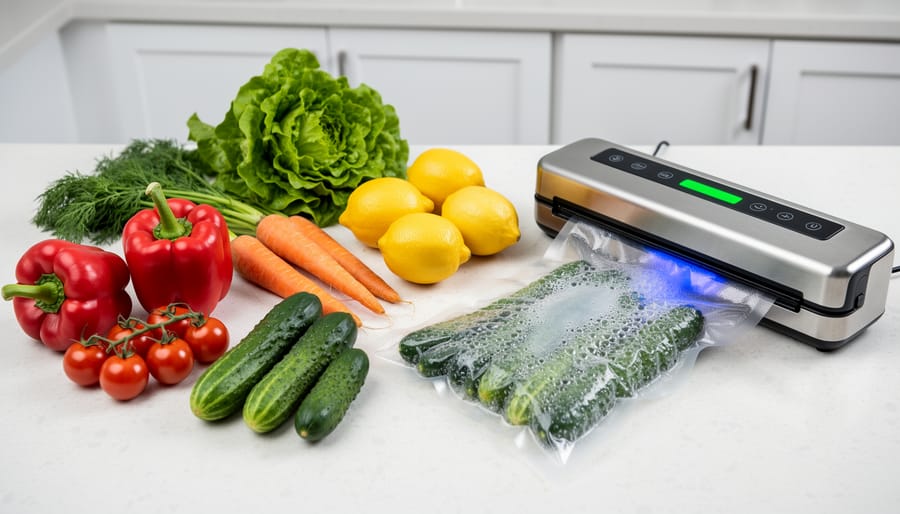
When you’re shopping for a vacuum packing machine, a few core features separate the models that’ll become kitchen workhorses from those that end up gathering dust in the back of a cupboard. Understanding these buying factors helps you match a machine to your actual needs rather than just picking the shiniest option on the shelf.
Sealing strength sits at the top of the list because it determines whether your food actually stays protected. A weak seal means air creeps back in, defeating the whole point of vacuum packing. Look for machines that consistently create airtight seals across different bag materials. The difference shows up quickly when you’re storing softer items like bread or delicate produce, strong sealers handle these without crushing the contents or leaving gaps.
Size and portability matter more than you might think. A bulky countertop model works brilliantly if you have dedicated kitchen space and pack food regularly. But if you’re working with limited counter real estate or only seal items occasionally, a compact or handheld unit makes more sense. Consider where you’ll store it between uses and whether you need to move it around your kitchen.
Here are the essential features to evaluate:
- Sealing strength and vacuum power, determines how well food stays preserved and whether the machine handles delicate items without crushing
- Physical size and storage footprint, affects whether it fits your available counter or cupboard space
- Ease of operation, includes how simple the controls are and whether you can operate it with wet or messy hands
- Bag compatibility and ongoing costs, some machines require proprietary bags while others work with generic options, significantly affecting long-term expenses
- Moisture handling capabilities, crucial if you’ll seal liquids, marinades, or moist foods like fresh vegetables
- Build quality and durability, determines whether it lasts for years of regular use or fails after a few months
Bag compatibility directly impacts your wallet over time. Machines that only work with branded bags lock you into ongoing costs that can exceed the initial purchase price within a year of regular use. Models accepting generic or reusable bags offer more flexibility and align better with sustainability goals. Check whether you can use the machine with silicone bags or other eco-friendly alternatives.
Moisture handling separates adequate machines from excellent ones. Basic models struggle with liquids or damp foods, either failing to seal properly or sucking moisture into the pump mechanism. Better units include drip trays, moisture detection, or specialized modes for wet foods. This matters when you’re preserving soups, marinating proteins, or packing fresh-washed vegetables.
Finally, consider build quality. Plastic housings crack under regular use, flimsy latches break, and cheap heating elements burn out. Metal components, solid construction, and positive user reviews about longevity indicate a machine that’ll handle years of meal prep and seasonal preservation rather than landing in the bin after a handful of uses.
Types of Vacuum Sealers Compared
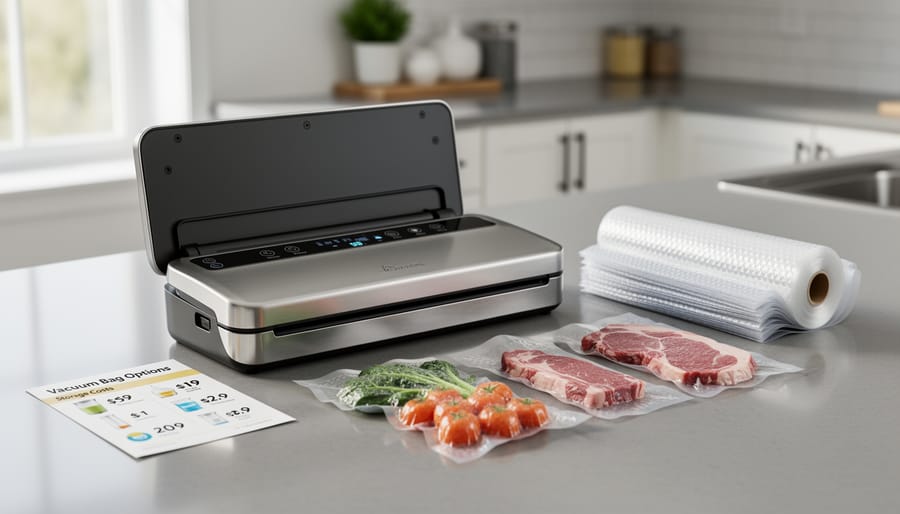
Vacuum sealers fall into three main categories, each designed for different usage patterns and kitchen setups. Understanding these types helps you match the technology to your actual needs rather than buying more (or less) machine than you’ll use.
Countertop or full-size models sit on your kitchen counter and handle the bulk of home preservation tasks. These machines draw air from specially designed bags, then heat-seal them closed in one continuous process. They’re the workhorses for anyone who regularly preserves seasonal produce, preps meals in batches, or buys in bulk to reduce packaging waste. Most current standouts, including the FoodSaver FM-2100 and BonsenKitchen VS-2100, fall into this category. You’ll get strong suction, reliable seals, and the capacity to process multiple bags in a session without overheating. The trade-off? They take up counter or cabinet space and cost more upfront than portable options.
Portable or handheld sealers offer a compact alternative for smaller kitchens or occasional users. These battery-operated or rechargeable units let you seal bags without dedicated counter space, making them popular for apartment living or RV use. The Chef Preserve leads this category in 2026 testing. You’ll sacrifice some suction power and speed compared to full-size models, but gain flexibility and easy storage. They work well for everyday tasks like resealing opened packages or storing leftovers, though they struggle with large batch preservation projects.
Chamber sealers represent the commercial-grade option. Instead of sucking air from a bag, these machines place the entire bag inside a chamber, remove all the air from the space, then seal the bag. This approach handles liquids and marinades beautifully without the mess that frustrates external sealers. Restaurants and serious home preservers who process large volumes choose chamber models for their speed and versatility. The downside is obvious: they’re expensive (often several hundred dollars more than countertop models), heavy, and require significant storage space.
| Machine Type | Best For | Typical Price Range | Key Trade-offs |
|---|---|---|---|
| Countertop/Full-Size | Regular use, batch preservation, meal prep | $100, $200 | Strong performance but requires counter space |
| Portable/Handheld | Occasional use, small kitchens, travel | $50, $100 | Compact and flexible but less powerful |
| Chamber Sealer | High-volume preservation, liquids, commercial use | $400+ | Excellent for liquids but expensive and bulky |
Most home users preserving food for sustainability find that a quality countertop model hits the sweet spot between performance and practicality. If you’re just starting out or have limited space, a portable unit lets you test the waters before committing to a larger investment.
Top Vacuum Packing Machines for 2026
After testing multiple models across different categories and price points, a few vacuum sealers stand out as exceptional choices for different needs and budgets in 2026. These recommendations come from comprehensive evaluations of 18 popular machines, with particular attention to performance, reliability, and real-world usability for home preservation.
The FoodSaver FM-2100 earned its place as the best all-around choice through consistent, powerful sealing performance and user-friendly design. At $144, it hits a sweet spot between capability and affordability, making it accessible for most households serious about food preservation. What sets this model apart is its reliable moisture handling and strong seal quality across different food types, from delicate berries to bone-in meats. It’s substantial enough for batch-preserving seasonal produce but doesn’t dominate counter space, and the straightforward controls mean you’ll actually use it regularly rather than leaving it tucked away.
For shoppers watching their budget, the BonsenKitchen VS-2100 proves you don’t need to spend heavily to get solid vacuum sealing performance. This machine delivers surprising capability for the money, handling everyday preservation tasks without the premium price tag. It’s an excellent entry point if you’re new to vacuum packing or want to test whether the practice fits your routine before investing more.
The Chef Preserve takes the portable category by offering genuine convenience without sacrificing too much sealing strength. Unlike bulky countertop models, this handheld unit tucks into a drawer and works well for smaller batches, quick marinades, or preserving leftovers. It’s ideal for apartment dwellers, occasional users, or as a travel companion for camping trips where you want to prep ingredients ahead.
Beyond these top three, the Anova Precision and Nesco models also deserve attention as strong performers. Both brands appeared among the favorites in extensive 2026 testing that evaluated 27 vacuum sealers, earning recognition from cooking experts for their performance in both food preservation and sous vide applications. The Anova Precision particularly impressed testers with its precision and build quality, tying for first place in one comprehensive evaluation.
When choosing among these options, match the machine to your actual preservation habits rather than aspirational ones. A countertop model like the FoodSaver makes sense if you regularly buy in bulk or preserve garden harvests, while the portable Chef Preserve better serves someone who mainly wants to extend leftovers and prep occasional marinades.
Common Mistakes to Avoid When Buying
The most common trap? Falling for a low sticker price without factoring in what those proprietary bags will cost over time. Some budget models lock you into expensive branded bags that can run $20 or more per pack, quickly erasing any upfront savings. Before buying, check whether the machine works with generic vacuum bags or reusable silicone options. This flexibility matters even more if you’re comparing preservation methods like freeze drying vs vacuum sealing, since you’ll want cost-effective ways to store whatever method you choose.
Sizing mistakes go both ways. An oversized countertop unit makes no sense if you’re only sealing leftovers twice a month, and it’ll just collect dust on your counter. Conversely, a handheld sealer won’t cut it if you’re serious about batch-preserving your farmers market haul or freeze-drying produce for winter storage. Match the machine to your actual preservation habits, not aspirational ones.
Don’t skip the moisture question. If you plan to seal soups, marinades, or anything liquidy, you need a model with a drip tray or moisture-detection feature. Standard sealers can choke on liquid, ruining both the seal and potentially the machine itself.
Finally, consider your kitchen layout. A bulky sealer is useless if you have nowhere to store it and it’s too heavy to haul out each time. Portable models take up minimal space but require more hands-on effort. Think about where it’ll actually live and how often you’ll realistically use it before committing.
Getting the Most from Your Vacuum Sealer
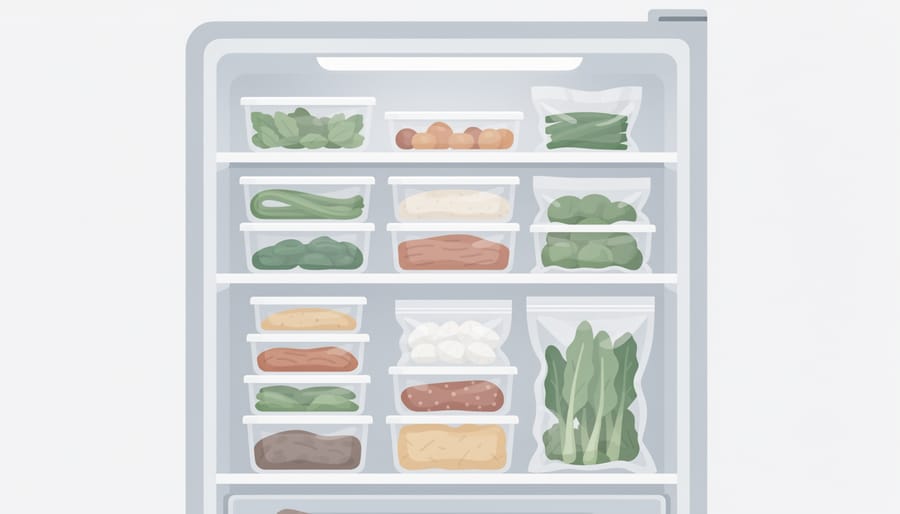
Once you’ve chosen the right machine, smart habits can multiply its impact on both your food budget and the planet. Start by thinking seasonally: when local produce is abundant and inexpensive, buy extra and vacuum-seal it in meal-sized portions. Summer berries, autumn squash, and peak-season tomatoes all freeze beautifully when properly sealed, giving you nutrient-rich ingredients year-round while supporting local growers during harvest.
Meal prep transforms your sealer from occasional tool to daily ally. Portion out soups, stews, and marinated proteins on Sunday, then seal and refrigerate or freeze them. This cuts down on midweek takeout waste and ensures nothing gets forgotten in the back of the fridge. You’ll also discover that vacuum sealing works brilliantly for dry goods like nuts, flour, and grains, keeping them fresh longer means fewer trips to the store and less packaging waste overall.
To minimize your environmental footprint, wash and reuse bags whenever possible. Most seal-only bags (without the textured channels) can go through several cycles if you’re storing dry items or cooked foods. For the textured bags your machine requires, cut them longer than needed initially, then trim and reseal after each use until they’re too short.
Regular maintenance extends your machine’s lifespan significantly. Wipe down the sealing strip after each session to prevent residue buildup, and check the gaskets monthly for wear. A well-maintained sealer can last a decade or more, far better than replacing it every few years.
Finally, explore other food storage options that complement vacuum sealing, like dehydrating or fermenting, to build a complete preservation toolkit that keeps your kitchen waste-free and your pantry full of seasonal goodness.
Choosing the right vacuum packing machine is more than a kitchen purchase, it’s a commitment to reducing food waste and supporting sustainable eating habits. Whether you opt for a feature-rich countertop model like the FoodSaver FM-2100, a budget-conscious pick like the BonsenKitchen VS-2100, or a space-saving portable unit, the best choice is the one that matches your actual cooking patterns, available space, and sustainability goals. Think about how often you meal prep, whether you buy seasonal produce in bulk, and what kind of bag system aligns with your values.
Are vacuum sealers worth it for small households?
Yes, even small households benefit from reduced food waste through better storage of leftovers, smaller portions of bulk purchases, and preserved seasonal ingredients. A portable or compact countertop model works well for occasional use.
Can I use reusable bags with vacuum sealers?
Many vacuum sealers work with reusable silicone bags, though compatibility varies by model. Check the manufacturer’s specifications and look for models that explicitly support reusable options if sustainability is a priority.
How much can vacuum packing really extend food life?
Vacuum sealing typically extends refrigerator storage from days to weeks and freezer storage from months to years by preventing freezer burn and slowing oxidation.
Do I need special bags for vacuum sealing?
Most machines require textured or embossed bags designed for vacuum sealing, though some chamber sealers work with smooth bags. Factor ongoing bag costs into your budget when choosing a model.
Remember, any step toward preserving food and minimizing waste makes a genuine difference. If you’re looking to deepen your sustainable eating practice, explore our community workshops and local partnerships where you can learn preservation techniques, share tips with fellow enthusiasts, and discover new ways to make the most of your kitchen tools. Your journey toward less waste starts with informed choices, and we’re here to support you every step of the way.