
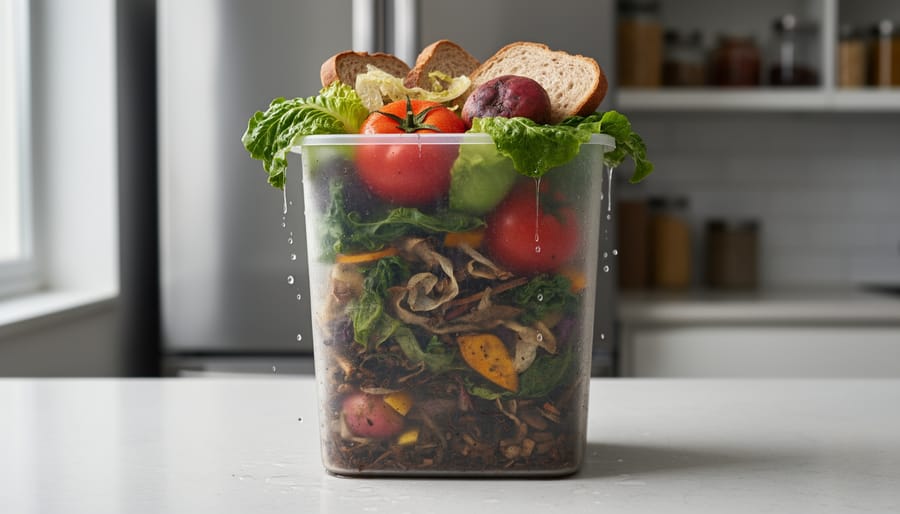

Food waste is any edible food that gets discarded instead of consumed, from the lettuce that wilts in your crisper drawer to the untouched restaurant meals scraped into bins at closing time. This waste isn’t just a lost dinner. When food breaks down in landfills, it generates methane, a greenhouse gas 28 times more potent than carbon dioxide over a 100-year period. Beyond emissions, wasted food represents squandered water, energy, labor, and land resources that went into growing, processing, and transporting meals no one ever ate.
The numbers tell a stark story. Roughly one-third of all food produced globally never reaches a plate, amounting to about 1.3 billion tons annually. In practical terms, that’s equivalent to the agricultural output of an area larger than China being tossed away each year. The environmental toll extends across the entire food system: farms use water to irrigate crops that end up in the trash, trucks burn fuel hauling food that rots in storage, and processing facilities consume electricity preparing meals destined for landfills rather than tables.
Understanding how food waste harms the environment starts with recognizing where it happens and why it matters at each stage. This article breaks down the mechanisms through which discarded food drives climate change, depletes natural resources, and disrupts ecosystems. You’ll learn the difference between avoidable and unavoidable waste, discover which foods carry the heaviest environmental cost when thrown away, and find practical strategies to cut waste in your own kitchen. Small shifts in how we buy, store, and use food can create measurable change, especially when communities work together toward shared sustainability goals.
What Is Food Waste?
Food waste is any food that’s discarded, lost, or left uneaten at any point from the farm where it’s grown to your kitchen table. It includes the lettuce that wilts in your fridge, the bread that goes stale before you finish the loaf, the restaurant meal that’s too large to finish, and the produce that grocery stores toss because it doesn’t look perfect enough to sell.
Here’s what distinguishes different types of waste in our food system:
- Food Waste vs. Food Loss
- Food loss happens earlier in the supply chain during production, storage, or processing (like crops left unharvested or damaged during transport), while food waste occurs at the retail and consumer level when edible food is thrown away.
- Edible vs. Inedible Waste
- Edible waste includes food that was safe and nutritious to eat but got discarded (like that forgotten yogurt), whereas inedible waste consists of parts we don’t typically consume, such as banana peels, chicken bones, or coffee grounds.
- Consumer vs. Commercial Waste
- Consumer waste happens in our homes when we overbuy, forget about food, or toss leftovers, while commercial waste comes from restaurants, grocery stores, and institutions that discard unsold or surplus food.
Understanding what counts as food waste matters because it reveals opportunities for change. That half-eaten sandwich you wrapped up and forgot about? Food waste. The bruised apples a store removes from display even though they’re perfectly edible? Also food waste. The pasta you cooked too much of and couldn’t save? Same category.
The scope reaches from massive agricultural operations down to your weekly meal prep. When a farm discards misshapen carrots that won’t sell, when a restaurant throws out yesterday’s bread, or when you scrape your plate into the trash, it all adds up. Each instance represents not just the food itself, but everything that went into producing it: the water that irrigated the crops, the energy used in processing and transport, and the labor of everyone involved in getting that food to you.
How Food Waste Impacts the Environment
Greenhouse Gas Emissions and Climate Change
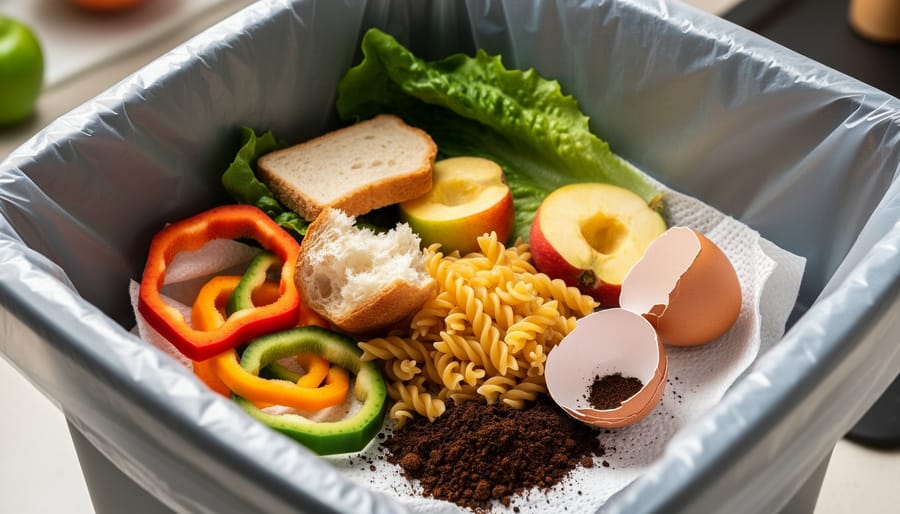
When food ends up in a landfill, it doesn’t simply disappear. Instead, it breaks down without oxygen in a process called anaerobic decomposition, releasing methane from landfilled food directly into the atmosphere. Methane is a greenhouse gas roughly 25 times more powerful than carbon dioxide at trapping heat over a 100-year period, making it a major driver of climate change.
Here’s what that means in practical terms: the banana peel or leftover pasta you toss contributes to the same warming effect that melts ice caps and intensifies weather extremes. Food waste accounts for about 8% of global greenhouse gas emissions. If food waste were a country, it would rank as the third-largest emitter after the United States and China.
The scale compounds quickly because we’re not just talking about what rots in your bin. Every stage of food production, growing, harvesting, processing, transporting, already released emissions. When that food goes uneaten, all those emissions become waste too, a double environmental hit.
Landfills can capture some methane for energy, but most sites don’t have this technology, and even those that do miss significant amounts. The emissions keep accumulating as long as organic waste piles up in oxygen-starved conditions. Composting or redirecting food to people or animals prevents this methane release entirely, which is why how we handle food waste matters as much as how much we waste.
Wasted Resources: Water, Land, and Energy
When food ends up in the bin, we’re not just throwing away the meal itself, we’re discarding all the resources that went into producing it. Think of a single tomato: it required water to grow, land to cultivate, fuel to transport, and electricity to refrigerate. Multiply that across every wasted item, and the scale becomes staggering.
Water waste is particularly striking. Producing one kilogram of beef uses roughly 15,400 liters of water, while a kilogram of wheat requires about 1,800 liters. When we waste these foods, we waste that water too. In regions already facing water scarcity, this represents a profound loss. Even something as simple as discarded lettuce carries the irrigation investment that could have supported other crops or communities.
Land use follows a similar pattern. Agriculture occupies about 38% of Earth’s land surface, yet roughly one-third of food produced globally never gets eaten. That wasted food translates to wasted farmland, space that could have remained natural habitat or grown food for people who need it. The embedded resources in food represent years of soil development, biodiversity displacement, and ecosystem transformation, all for products that end up rotting.
Energy waste spans the entire journey from farm to fork. Tractors burn fuel for planting and harvesting. Processing facilities run on electricity. Refrigerated trucks consume diesel during transport. Stores keep items cold around the clock. When we toss that food, every joule of energy invested in its journey becomes a climate liability rather than nourishment.
Biodiversity and Ecosystem Strain
When we waste food, we’re not just discarding what’s on our plate, we’re undermining the ecosystems that made that meal possible in the first place.
Growing food demands space. Expanding agricultural land often means clearing forests, draining wetlands, or converting grasslands, which destroys the natural habitats countless species depend on. When a third of all food produced never gets eaten, we’re essentially sacrificing these ecosystems for nothing. Every wasted tomato or tossed loaf of bread represents land that could have remained wild habitat, supporting birds, pollinators, and the complex web of life that keeps our planet healthy.
The impact extends below ground, too. Industrial farming practices used to grow food that ends up wasted deplete soil nutrients, increase erosion, and reduce the soil’s ability to support plant and animal life over time. Healthy soil teems with microorganisms, fungi, and invertebrates that form the foundation of terrestrial ecosystems. When soil health declines from overuse, producing food we ultimately discard, we weaken this foundation.
Pesticides and fertilizers used in food production also take their toll on wildlife. These chemicals run off into waterways, creating dead zones where aquatic life struggles to survive. Pollinators like bees face threats from agricultural chemicals used to grow crops that may never be consumed. By reducing food waste, we lessen the pressure to intensify agricultural production, giving ecosystems a better chance to recover and thrive alongside our food systems.
Types of Food Waste and Where It Happens
Household Food Waste
Household kitchens generate roughly 40% of all food waste in developed countries, making your home the single most impactful place to create change. Unlike waste in distant supply chains, what happens in your refrigerator and pantry is entirely within your control.
The most common culprit is overbuying. We’ve all done it, grabbed extra produce on sale or stocked up before a busy week, only to watch it wilt in the crisper drawer. Shopping without a plan or list makes this worse, as does buying in bulk quantities that exceed what you’ll actually use before spoilage.
Improper storage is another major contributor. Tomatoes in the fridge lose flavor and texture. Herbs stored loose turn slimy. Bread left on the counter goes stale faster than it would in the freezer. These small storage mistakes add up, turning fresh food into trash within days.
Date label confusion compounds the problem. “Best by” means peak quality, not safety, yet many people toss perfectly good food the moment that date passes. “Sell by” is even less relevant at home, it’s a retailer inventory tool, not a deadline for consumption.
Forgotten leftovers round out the waste picture. That half-portion of pasta pushed to the back of the fridge, or the takeout container you meant to eat for lunch, silently spoils while you make something new. Small containers and a weekly fridge audit can help these meals find their way back to your plate.
Commercial and Industrial Food Waste
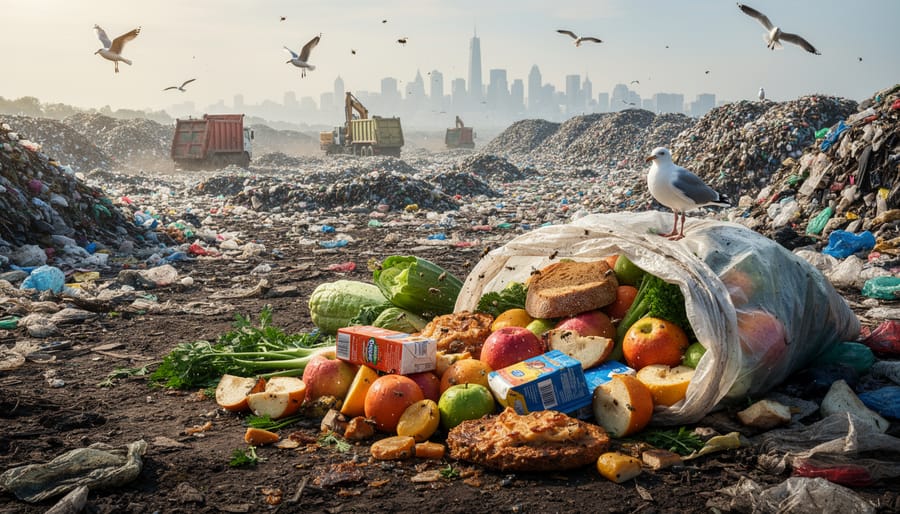
Restaurants, grocery stores, and food processing facilities generate substantial amounts of food waste, though the reasons differ across each sector. Restaurants often face challenges with portion sizes, menu variety, and unpredictable customer demand. A dinner rush might require prepping extra ingredients, while a slow evening leaves perfectly good food unsold. Similarly, grocery stores discard produce that doesn’t meet cosmetic standards or items nearing sell-by dates, even when they’re still safe to eat.
Food processing facilities contribute through trimming, quality control rejections, and operational inefficiencies. A tomato sauce manufacturer might discard slightly misshapen tomatoes, while a bakery tosses day-old bread that no longer meets freshness standards. These decisions, multiplied across thousands of facilities, create massive waste streams.
What makes commercial and industrial waste particularly frustrating is that much of it could be redirected. Many businesses now partner with food rescue organizations that collect surplus food and distribute it to community members facing food insecurity. Some restaurants have redesigned menus to use ingredients across multiple dishes, reducing prep waste. Grocery stores increasingly donate near-date items to food banks or offer discounted “ugly produce” sections.
You can support these efforts by choosing businesses that participate in food rescue programs or composting initiatives. Ask your favorite restaurant about their waste reduction practices. Shop at stores with imperfect produce programs. Some communities have established commercial composting services that handle food waste from multiple businesses, turning what would become landfill methane into soil-enriching compost. These collaborative approaches demonstrate how businesses and consumers working together create meaningful environmental impact while addressing food insecurity in their neighborhoods.
The Ripple Effects: Beyond Environmental Impact
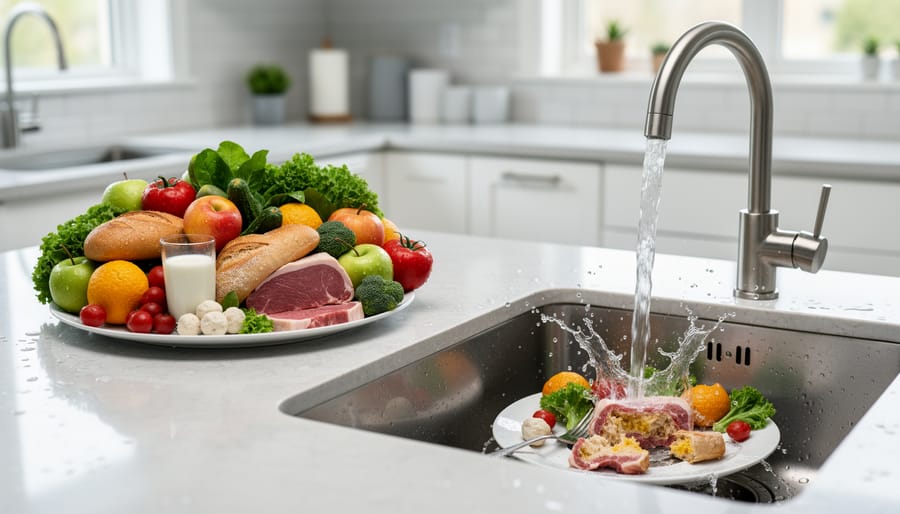
When we think about food waste, the environmental toll is often front and center. But the impact doesn’t stop at carbon emissions or wasted water. Food waste creates a complex web of consequences that touch our communities, our wallets, and our neighbors’ well-being in ways that might surprise you.
Here’s a striking paradox: in the United States alone, we waste roughly 40% of our food supply while approximately 34 million people face food insecurity. That’s food that could nourish families instead ending up in landfills. The disconnect isn’t just unfortunate, it represents a massive failure to connect available resources with real human need. When perfectly good food is discarded because of cosmetic imperfections, overproduction, or confusion about expiration dates, we’re not just harming the planet. We’re missing opportunities to feed people in our own communities.
The economic costs are staggering too. American households throw away an average of $1,500 worth of food per year. Scale that up across restaurants, grocery stores, and food service operations, and you’re looking at hundreds of billions of dollars in lost value annually. That money could be reinvested in local food systems, community programs, or sustainable agriculture initiatives.
For farmers and food producers, waste means lost income and resources invested with no return. Small-scale growers are particularly vulnerable when buyer rejection over aesthetic standards sends perfectly nutritious produce to the compost heap. This economic pressure can push farms toward practices that prioritize appearance over sustainability or nutritional value.
These ripple effects remind us that reducing food waste isn’t just an environmental issue. It’s about building stronger, more resilient communities where resources reach the people who need them, local economies thrive, and we all participate in creating a fairer food system.
What You Can Do: Practical Steps to Reduce Food Waste
Start by taking inventory of what you already have before heading to the grocery store. A quick check of your fridge, freezer, and pantry prevents duplicate purchases and helps you use items before they spoil. Make a shopping list based on what you actually need for planned meals, and stick to it. This simple habit alone can cut household food waste by up to 30%.
Store food properly to extend its life. Learn which fruits and vegetables belong in the fridge versus on the counter, tomatoes, bananas, and avocados ripen better at room temperature, while leafy greens need the cold. Use clear containers so you can see what needs eating soon, and designate a “use first” spot in your fridge for items approaching their expiration dates.
Understand date labels correctly. “Best by” dates indicate peak quality, not safety. Most foods remain safe to eat well past these dates if stored properly. Trust your senses, smell, appearance, and texture, rather than tossing food automatically when a date passes.
Get creative with leftovers and scraps. Vegetable peels, ends, and bones make excellent stock. Overripe fruit transforms into smoothies, baked goods, or homemade jams. Stale bread becomes croutons or breadcrumbs. Each reimagined ingredient is food kept out of the landfill and money kept in your pocket.
Practice portion awareness. Cook what you’ll realistically eat, and save extras immediately as tomorrow’s lunch rather than letting them sit forgotten. When dining out, don’t be shy about asking for a smaller portion or taking leftovers home.
Connect with your community to amplify your impact. Many neighborhoods have food-sharing networks where you can offer surplus produce or pantry items to others who need them. Join or start a community composting program if curbside pickup isn’t available in your area. Composting transforms unavoidable scraps into nutrient-rich soil rather than methane-producing landfill waste.
Support businesses and organizations working to rescue surplus food. Volunteer with food recovery programs that redirect edible food from grocery stores and restaurants to people facing food insecurity. These partnerships address both waste and hunger simultaneously.
Share what you learn. When friends and family see your strategies working, they often adopt similar practices. Your household changes ripple outward, creating broader cultural shifts toward valuing food and resources. Small consistent actions, multiplied across communities, drive meaningful environmental progress.
Frequently Asked Questions
Food waste touches everyone’s daily life, and it’s natural to have questions about how your choices connect to larger environmental concerns. Let’s tackle some of the most common questions we hear from community members working to reduce their impact.
Is composting better than throwing food away?
Yes, composting is significantly better for the environment than sending food to landfill. When food decomposes in a compost bin with oxygen present, it breaks down into nutrient-rich soil without producing methane, whereas landfill conditions create methane, a greenhouse gas 25 times more potent than carbon dioxide.
Does food waste really matter compared to other environmental issues?
Food waste is a major environmental issue that intersects with climate change, water scarcity, and land use. If global food waste were a country, it would be the third-largest emitter of greenhouse gases after the United States and China, making it comparable in impact to other pressing environmental challenges.
Can one person make a difference?
Absolutely. The average household throws away hundreds of pounds of food each year, so your individual choices compound over time. More importantly, personal actions often inspire neighbors, friends, and family, creating ripple effects that extend your impact throughout your community.
What happens to food waste in landfills?
In landfills, food waste gets buried under layers of other trash and decomposes without oxygen in a process called anaerobic decomposition. This produces methane gas and leachate, a liquid that can contaminate soil and groundwater if not properly managed.
How much food waste can actually be composted or recycled?
Nearly all food scraps can be composted, including fruit and vegetable peels, coffee grounds, eggshells, and even small amounts of bread and grains. Some communities also offer industrial composting programs that accept meat, dairy, and oils that aren’t suitable for home composting.
Understanding these basics helps you make informed decisions in your kitchen and empowers you to share accurate information with others. Remember that questions signal curiosity and engagement, both essential first steps toward reducing waste. If you encounter a food waste dilemma not covered here, local composting groups and sustainability organizations in your area often have expertise specific to your region’s systems and resources.
how it works
The environmental impact of food waste unfolds through a chain reaction that begins long before anything hits the trash bin. When you toss out food, you’re not just discarding the item itself, you’re wasting everything that went into producing it.
First comes the production phase. Growing food requires vast amounts of water, energy, and land. Farmers irrigate crops, tractors consume fuel, and processing facilities run on electricity. All these inputs carry environmental costs, from depleted aquifers to carbon emissions from machinery and transportation.
Next, the food travels through the supply chain, accumulating more resource use at each stop. Refrigerated trucks burn diesel, warehouses consume power for cooling, and stores use energy to keep products fresh.
When wasted food reaches landfills, the real environmental damage accelerates. Buried under layers of garbage without oxygen, food breaks down differently than it would in a compost pile. This anaerobic decomposition produces methane, a greenhouse gas 25 times more potent than carbon dioxide over a century. That rotting apple in a landfill contributes more to climate change than the same apple composted in your backyard.
Meanwhile, producing replacement food to meet demand perpetuates this cycle, multiplying the strain on ecosystems and natural resources.
Types or components
Food waste exists in several distinct forms, each with unique environmental implications. Avoidable food waste includes items that were edible at some point but got discarded, leftover meals, produce that spoiled, bread that went stale. This category represents the biggest opportunity for reduction because it’s entirely preventable with better planning and storage.
Unavoidable food waste consists of inedible parts like banana peels, chicken bones, and coffee grounds. While you can’t eat these items, many can be composted rather than landfilled, significantly reducing their environmental impact.
Possibly avoidable waste falls in between, items like bread crusts or apple peels that some people eat and others discard based on preference or preparation style.
Understanding these distinctions helps you identify where your household creates the most waste. Most families generate the majority of their waste in the avoidable category, which means small changes in shopping habits, meal planning, and storage methods can make a substantial difference. Even unavoidable waste doesn’t have to burden the environment when you compost it or participate in municipal composting programs.
Understanding how food waste affects the environment is the first step toward meaningful change. Every piece of uneaten food represents not just wasted nourishment, but wasted water, energy, and land, resources our planet can’t afford to squander. The good news? You already have the power to make a difference, starting right in your own kitchen.
Small shifts in how we shop, store, and prepare food create ripple effects that extend far beyond our homes. When you plan meals more carefully, store produce properly, or find creative uses for leftovers, you’re reducing methane emissions from landfills, conserving precious water resources, and helping protect biodiversity. These aren’t abstract environmental concepts, they’re tangible outcomes of everyday decisions.
You don’t have to tackle everything at once. Start with one change that feels manageable, whether that’s keeping a “use first” shelf in your fridge or composting your kitchen scraps. As these habits become second nature, you’ll likely find yourself motivated to do more.
Remember, you’re not alone in this journey. Community partnerships between local food banks, restaurants, grocery stores, and composting initiatives are making it easier than ever to participate in food waste solutions. Many neighborhoods now offer composting programs, surplus food sharing networks, and educational workshops that turn individual efforts into collective impact.
The environmental challenges we face can feel overwhelming, but food waste is an area where personal action truly matters. Each meal saved, each scrap composted, and each community connection strengthened moves us closer to a more sustainable food system. Your choices today shape the environment we all share tomorrow.