
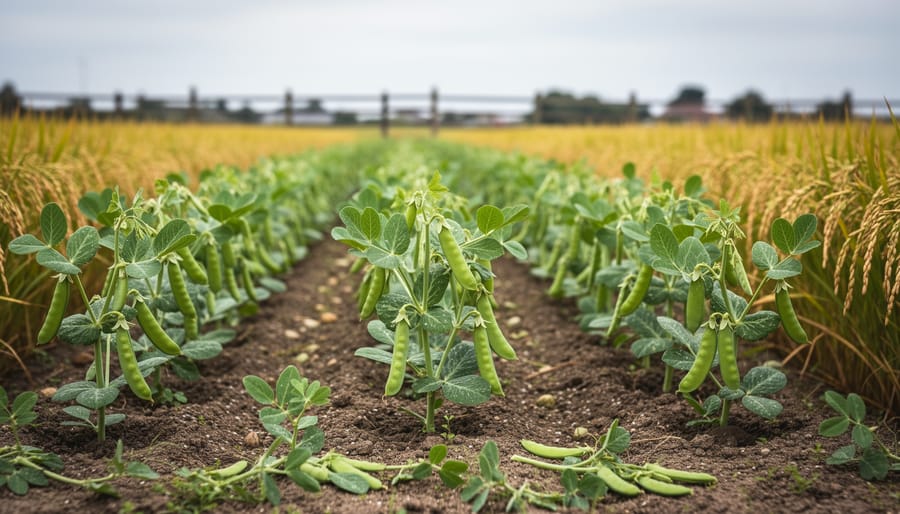

Orgain Organic Protein Plant-Based Powder delivers 21 grams of complete protein per serving from a blend of organic pea, brown rice, and chia seed, making it a practical choice for anyone shifting toward more sustainable protein sources. This 100% vegan powder contains no added sugar, packs 7 grams of prebiotic and fiber, and clocks in at just 150 calories per two-scoop serving. For those of us trying to lighten our environmental footprint without sacrificing nutrition, plant-based proteins like this one represent a meaningful step forward.
Here’s why that matters. Animal agriculture accounts for roughly 14.5% of global greenhouse gas emissions, uses massive amounts of water, and drives deforestation. Choosing plant-based protein reduces your personal contribution to these impacts while still fueling your body effectively. Orgain sources organic ingredients, which means fewer synthetic pesticides and fertilizers leaching into soil and waterways, and the product’s clean certification profile reflects a commitment to transparency.
But not all plant proteins are created equal. Some are loaded with fillers, artificial sweeteners, or vague ingredient lists that leave you guessing. This guide walks through what makes Orgain’s formula work, how it stacks up nutritionally, and what to look for in any plant-based protein powder if sustainability and health are both priorities. You’ll also find practical tips for using it in ways that align with a low-waste lifestyle, because choosing the right product is only part of the equation.
The Environmental Cost of Your Protein Choice
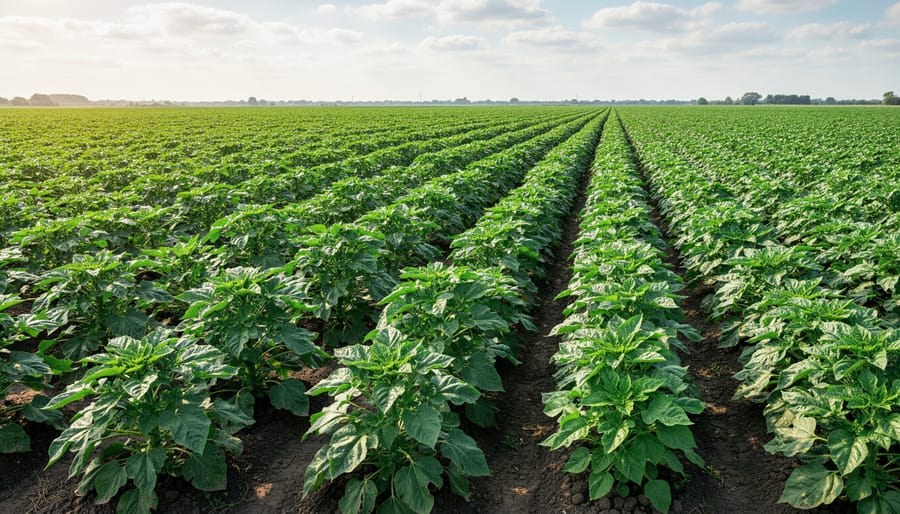
Every gram of protein you consume comes with an invisible environmental price tag, and the source you choose makes a dramatic difference in what that tag reads.
Animal-based proteins demand significantly more resources than their plant-based counterparts. Raising livestock requires vast amounts of water, not just for the animals to drink, but for growing feed crops, processing facilities, and cleaning operations. Land use follows a similar pattern: grazing areas and feed crop cultivation consume considerably more acreage than growing plants directly for human consumption. When you factor in the conversion inefficiency, animals must eat multiple pounds of plant protein to produce a single pound of meat or dairy, the resource gap widens further.
Greenhouse gas emissions tell an equally compelling story. Livestock production generates methane from digestive processes, nitrous oxide from manure management, and carbon dioxide from land clearing and feed transportation. Plant-based protein production creates a substantially smaller carbon footprint, primarily because it skips the resource-intensive animal raising step entirely. The environmental impacts of alternative proteins research shows that shifting toward plant sources can reduce food-related emissions by up to 50% or more.
This isn’t about judgment, it’s about understanding the ripple effects of our choices. The protein in your morning smoothie connects directly to water tables, agricultural land, and atmospheric carbon. Recognizing these connections helps you make decisions that align with your environmental values while still meeting your nutritional needs. Small shifts in protein sources can create meaningful reductions in your personal food footprint.
What Makes Plant-Based Protein Powder a Sustainable Swap
Switching to plant-based protein powder isn’t just a personal health decision, it’s one of the most straightforward ways to lighten your environmental load. The numbers tell a compelling story. Plant proteins require dramatically less water and land than their animal-based counterparts, and they generate fewer greenhouse gas emissions in the process. While whey protein demands dairy farming infrastructure with all its resource intensity, plant proteins come from crops that convert sunlight and water directly into the nutrients you need.
Here’s where it gets practical: plant-based powders like those made from pea, rice, and chia deliver complete nutrition while working much more efficiently with our planet’s resources. Pea protein, for instance, actually enriches soil by fixing nitrogen, reducing the need for synthetic fertilizers. These crops grow faster and need less intervention than raising livestock for comparable protein yields. Research shows that soy alternatives lower impacts across multiple environmental metrics, and this extends to other plant protein sources as well.
The efficiency gap matters in your daily routine too. That 21g of protein from plants in your morning shake means significantly less strain on water systems and farmland than the same amount from animal sources. You’re essentially getting more nutrition per environmental dollar spent. It’s not about perfection, it’s about recognizing that your protein choice carries weight beyond the scoop.
What makes this swap particularly accessible is that you don’t sacrifice convenience or nutrition. Plant-based powders mix just as easily, fuel your workouts effectively, and fit seamlessly into existing habits. You’re simply choosing a more resource-efficient path to meet the same nutritional goals. The environmental benefits happen automatically, without adding complexity to your life.
Inside Orgain’s Plant-Based Formula
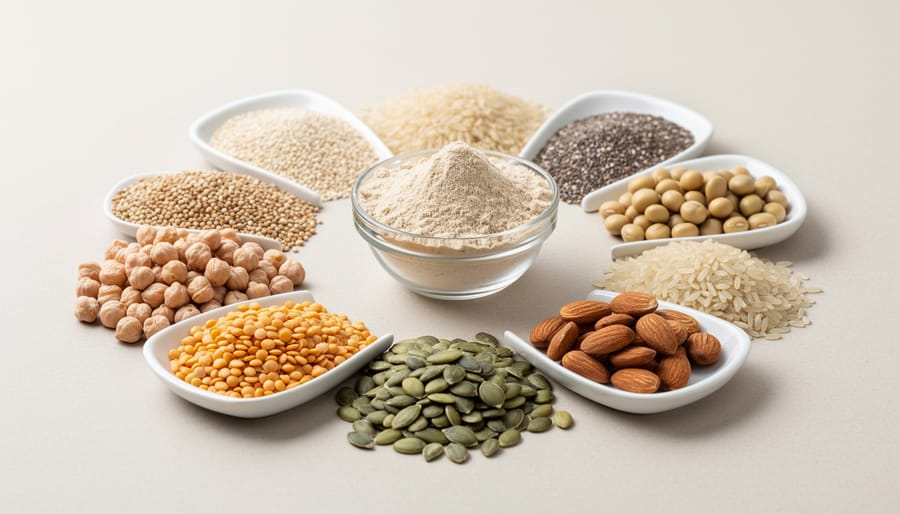
The Protein Blend Breakdown
Orgain combines three plant proteins for a reason: pea, brown rice, and chia each bring different amino acids to the table, creating a complete protein profile that rivals animal sources. Pea protein delivers lysine, an amino acid often low in grains, while brown rice protein contributes methionine, which legumes typically lack. Chia fills in the gaps with omega-3s and additional fiber.
This blend also spreads the environmental load. Peas fix nitrogen in soil, reducing fertilizer needs. Brown rice protein often comes from rice byproducts, making use of what would otherwise go to waste. Chia requires less water than many conventional crops and thrives in marginal soils.
By sourcing organic versions of all three, Orgain avoids synthetic pesticides and supports farming practices that build soil health rather than degrade it. The diversity means no single crop bears the entire burden of your protein intake, which matters when you’re thinking about sustainable agriculture. Each ingredient works harder nutritionally and lighter environmentally than it would alone, giving you 21g of complete protein per serving without relying on a single intensive crop.
Certifications That Matter
When you pick up Orgain Organic Plant-Based Protein Powder, three key certifications tell you what you’re actually getting, and what you’re avoiding.
The 100% vegan certification means no animal-derived ingredients whatsoever. That’s straightforward for your health, but it also matters for the planet: vegan products skip the massive water and land requirements that come with dairy or whey protein production. You’re choosing a protein source that didn’t require grazing land, feed crops for livestock, or the methane emissions that come with animal agriculture.
The organic status matters because it means those pea, brown rice, and chia proteins were grown without synthetic pesticides or fertilizers. Organic farming typically builds healthier soil, supports biodiversity, and keeps chemicals out of watersheds. For your body, it means fewer residues in your daily shake. For the environment, it’s a vote for farming practices that work with nature rather than against it.
The no added sugar claim keeps things simple. With 0g total sugars per serving, you’re getting protein without unnecessary sweeteners, which often means less processing and fewer ingredients overall. It’s a cleaner option that lets you control your own sweetness level and keeps the focus on what you actually need: protein and fiber.
How to Use Plant-Based Protein Powder in Your Sustainable Routine
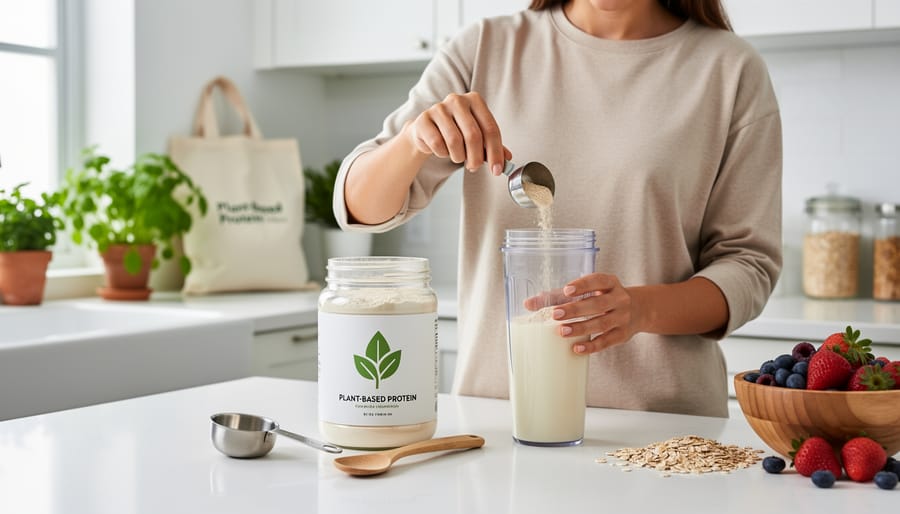
Getting the most from your plant-based protein powder starts with simple habits that reduce waste and multiply environmental benefits. The beauty of a powder like Orgain’s is its versatility, which means fewer single-use products cluttering your shelves and more creative ways to use every scoop.
Start by mixing your powder into meals you’re already making. Stir a scoop into your morning oatmeal while it cooks, blend it into pancake batter, or fold it into energy balls that you prep once and grab all week. This approach stretches the sustainability impact because you’re not creating additional packaging waste from protein bars or ready-made shakes. Since each serving provides 21 grams of protein, you can confidently skip the individually wrapped alternatives.
Understanding the food waste impact of your choices changes how you plan meals. Keep your powder in an airtight container to maintain freshness, and measure servings accurately to avoid dumping unused shakes down the drain. If you blend more than you need, freeze the extra in ice cube trays for quick smoothie additions later.
Batch prepping works beautifully with plant-based protein powder. Dedicate Sunday afternoon to making a week’s worth of protein-packed muffins, mixing individual smoothie bags with frozen fruit and a pre-measured scoop, or preparing overnight oats portions. Different food planners approach this differently, but the goal stays the same: reduce decision fatigue and packaging waste by planning ahead.
When you blend shakes, use a reusable bottle and wash it immediately to avoid buying disposable cups. Choose ingredients that complement the powder’s nutritional profile without creating excess waste. Frozen fruit in bulk bags, tap water, and reusable straws all add up to smaller environmental footprints over time. These aren’t dramatic changes, but they compound quickly when protein powder becomes part of your daily routine.
What to Look for in Any Plant-Based Protein Powder
Once you understand what makes a protein powder sustainable, you can apply those same principles to any brand you’re considering. Knowing what to look for helps you avoid common shopping tricks and make choices that genuinely align with your environmental values.
Start with the protein source itself. Look for powders that blend multiple plant proteins rather than relying on a single source. Combinations like pea and brown rice work together to provide a complete amino acid profile while also spreading agricultural impact across different crops. This diversity matters because it reduces strain on any single farming system and typically offers better nutrition.
Organic certification tells you something important about how ingredients were grown. Organic farming practices generally use fewer synthetic pesticides and fertilizers, which means less chemical runoff into waterways and healthier soil over time. While organic certification doesn’t guarantee carbon neutrality, it represents a meaningful step toward more regenerative agriculture.
Packaging deserves your attention too. Check whether the container is recyclable in your local system and whether the brand offers refill options or larger sizes that reduce packaging waste per serving. Some companies have moved to post-consumer recycled materials or compostable pouches, which can significantly lower the product’s overall footprint.
Finally, ingredient transparency matters. A short, recognizable ingredient list usually signals fewer processing steps and less reliance on synthetic additives. Brands that clearly explain where their ingredients come from and how they’re sourced tend to be more accountable to sustainability standards. When companies are vague about sourcing or hide behind proprietary blends, it’s harder to verify their environmental claims.
Making It Part of a Bigger Picture
Choosing plant-based protein powder isn’t an isolated decision, it’s one thread in a larger tapestry of sustainable living. When you swap conventional protein for options like Orgain’s plant-based formula, you’re participating in a shift that extends beyond your kitchen counter.
Think about where else you can reduce your environmental impact: pairing your protein shake with food grown locally, storing leftovers in reusable containers instead of single-use plastic, or joining a composting workshop to minimize food waste. Each practice reinforces the others, creating habits that compound over time.
Your choices also influence those around you. When friends notice your plant-based routine, it opens conversations about sustainability without requiring a lecture. Sharing a post-workout smoothie recipe or bringing protein-packed snacks to community events demonstrates that environmentally conscious eating can be practical and enjoyable.
The environmental benefits of plant-based protein become more significant when combined with other mindful practices: choosing whole foods when possible, supporting brands with transparent sourcing, and advocating for better food systems in your community. Every small swap sends a signal about what consumers value, encouraging more companies to prioritize sustainability.
You don’t need to overhaul your entire life overnight. Start with one change, like switching your protein powder, and build from there. The cumulative effect of many people making incremental improvements creates the momentum needed for real environmental progress.
Switching to plant-based protein isn’t about perfection. It’s about recognizing that your everyday choices carry weight beyond your kitchen. Every scoop that replaces an animal-based option chips away at the demand for resource-intensive production systems. That matters.
Orgain’s organic plant-based powder shows what’s possible when transparency meets practicality. Twenty-one grams of protein from pea, brown rice, and chia seeds. Organic certification. No added sugar. It’s a concrete example of how sustainable swaps can fit seamlessly into your routine without compromise.
But here’s the real power: you’re not limited to one brand or one product. The principles you’ve learned here apply across every protein choice you make. Look for organic ingredients, understand your sources, read the labels, and prioritize companies that share their practices openly.
Your individual swaps might seem small, but they’re part of a collective shift toward more sustainable food systems. When you choose plant-based protein, you’re voting for less water waste, lower emissions, and more efficient land use. Those choices add up. Keep exploring, stay curious, and trust that informed decisions create meaningful change.