
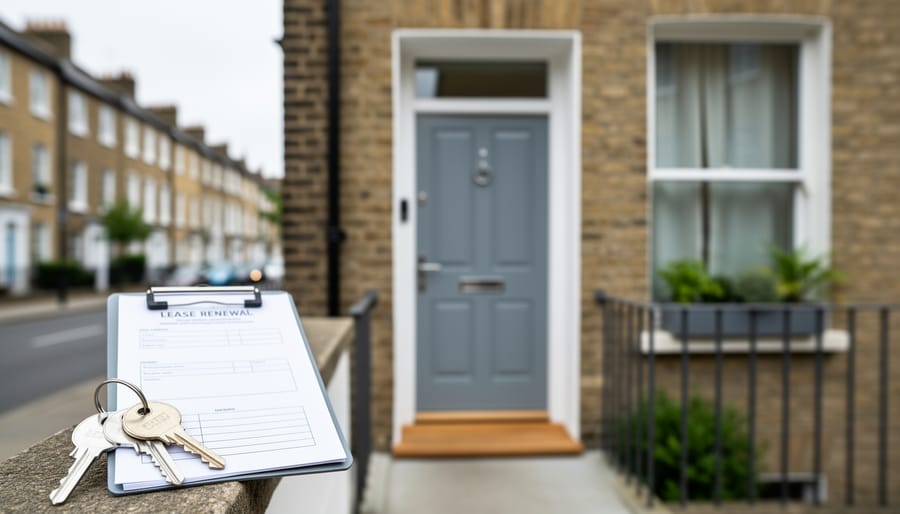

Buying a short lease flat in the UK can be both a sustainable housing choice and a financially smart move, particularly for environmentally conscious buyers who understand that reusing existing housing stock has far less environmental impact than new construction. The typical short lease flat buyers in 2026 include first-time buyers seeking affordable entry points, property investors looking for renovation projects, and increasingly, sustainability advocates who recognise that extending the life of existing buildings aligns perfectly with circular economy principles.
Short lease properties, typically those with fewer than 80 years remaining, offer a practical way to access urban housing while minimising the carbon footprint associated with new builds. Manufacturing cement alone accounts for roughly 8% of global CO2 emissions, so choosing to breathe new life into an existing property rather than supporting new development can significantly reduce your environmental impact. The embodied carbon already invested in these buildings doesn’t need to be repeated.
However, the relationship between sustainability and short leases isn’t straightforward. Older properties often require energy efficiency upgrades, and the costs of lease extension or potential enfranchisement must be weighed against your environmental and financial goals. Understanding who typically buys these properties, what makes a short lease workable, and how to avoid common pitfalls will help you determine whether this path matches your values and circumstances. This guide walks you through the key factors, compares different lease scenarios, and provides clear recommendations for making an informed, sustainable choice.
What Makes a Lease ‘Short’ in the UK?
In the UK property market, a lease is generally considered ‘short’ once it drops below 80 years remaining. This threshold isn’t arbitrary, it marks the point where selling becomes noticeably harder and mortgage lenders start getting nervous. Below 80 years, you’ll find fewer willing lenders, and those who do offer financing typically demand larger deposits or charge higher interest rates. Once a lease falls under 70 years, the pool of available mortgages shrinks further, and properties often sell at a significant discount.
The 80-year mark matters for another reason: lease extension costs. Under current leasehold law, extending a lease that’s dropped below 80 years triggers something called ‘marriage value’, essentially, you’ll pay the freeholder half of the increase in your flat’s value once the lease is extended. This can add thousands to the extension bill. Above 80 years, no marriage value applies, making extensions considerably cheaper.
From an environmental perspective, these thresholds create an interesting dynamic. Flats with short leases often sell below market value because many buyers avoid them, yet the buildings themselves remain perfectly viable homes. When you buy a short lease flat rather than a new-build, you’re choosing to use what already exists instead of consuming resources for new construction. The lease length is a financial and legal consideration, not a reflection of the building’s physical condition or its potential as a sustainable home.
As of 2026, leaseholders have the right to extend their lease by 90 years (for flats) once they’ve owned the property for two years, though reforms continue to evolve. Understanding these mechanics helps you see short lease properties not as problem purchases, but as opportunities to make housing choices that align with both your budget and your environmental values.
Who Buys Short Lease Flats in the UK?

Short lease flats attract a diverse mix of buyers, each drawn by different priorities that often intersect with sustainable living values. Understanding who buys these properties reveals how affordability, community connection, and environmental consciousness can align in unexpected ways.
The typical short lease buyer profiles include:
- First-time buyers stretching limited budgets who prioritize getting onto the property ladder in their preferred neighborhood over lease length
- Value-focused investors who understand lease extension mechanics and see significant profit potential in undervalued properties
- Community-rooted individuals who’ve lived in an area for years and want to stay close to established networks rather than relocate for a standard lease
- Sustainability advocates deliberately choosing existing housing stock to reduce construction demand and preserve embodied carbon
- Downsizers seeking affordable urban locations near amenities, willing to accept shorter leases for lower purchase prices and reduced ongoing costs
First-time buyers often discover short lease flats while searching in competitive markets where standard properties remain out of reach. The discount can make the difference between buying in a walkable neighborhood with strong public transport links or settling for car-dependent suburbs. These buyers frequently become invested in their buildings’ communities, participating in everything from a community event focused on reducing waste to organizing shared repairs that improve the building’s sustainability.
Meanwhile, sustainability-focused buyers view short lease purchases as active resistance to the “build new” default in UK housing. They recognize that renovating and extending the life of existing flats prevents the massive carbon emissions associated with construction while supporting neighborhood stability. Some even organize resident initiatives like a composting workshop or building-wide energy efficiency upgrades, turning their property choice into broader environmental action.
What unites these different buyers is a willingness to engage with complexity in exchange for value, whether that value means financial savings, community connection, or environmental impact.
The Sustainability Case for Short Lease Properties
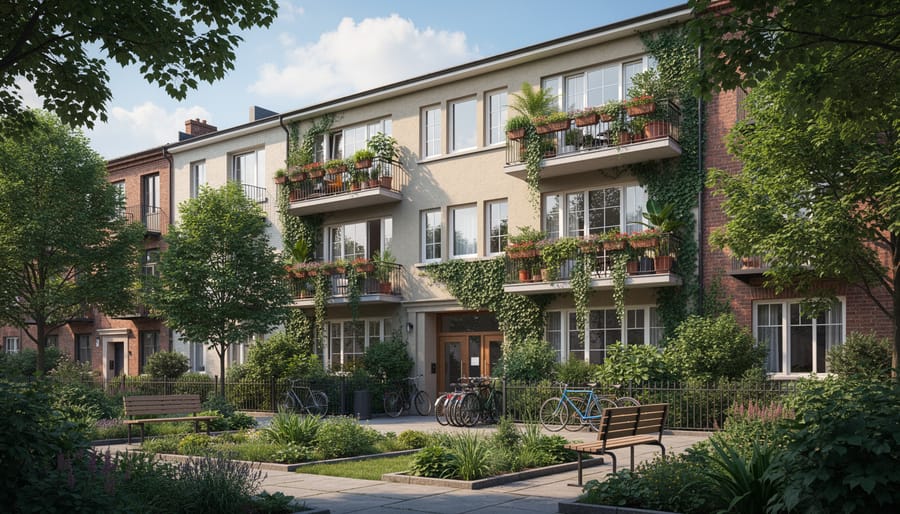
Choosing a short lease flat isn’t just about affordability, it’s a meaningful environmental decision that challenges the “new is better” assumption dominating UK housing conversations. Every existing property you renovate or extend is one fewer new build demanding virgin materials, construction energy, and greenfield land.
The embodied carbon argument alone makes a compelling case. A typical new-build flat generates roughly 50-80 tonnes of CO2 equivalent from materials production, transport, and construction before anyone moves in. Buying and extending a 1970s flat with a short lease, even with significant renovation work, produces a fraction of those emissions, often 10-20 tonnes at most. You’re essentially recycling a building, preserving the carbon already invested in its walls, foundations, and structure rather than creating new environmental debt.
This approach aligns perfectly with circular economy principles in housing. Rather than treating buildings as disposable commodities with finite lifespans, you’re extending their useful life, maintaining urban fabric, and keeping materials in circulation. It’s the housing equivalent of understanding food waste impacts both involve recognizing that what already exists holds value we shouldn’t casually discard.
Short lease properties also support sustainable urban density. These flats typically sit in established neighborhoods with existing infrastructure, public transport links, local shops, and community networks. Buying one reinforces walkable, transit-oriented living patterns rather than pushing development outward into car-dependent suburbs or previously undeveloped land. You’re choosing to inhabit and improve the city we have, not expand its footprint.
There’s a broader housing justice dimension too. Taking a small step like buying a short lease flat and making it work reduces speculative pressure on housing stock, keeps properties in use, and demonstrates that sustainable living doesn’t require brand-new construction. It’s practical conservation that benefits your community and the planet simultaneously.
Understanding Different Types of Short Lease Situations
Flats with 60-80 Year Leases
Flats in this range sit at the edge of what lenders and valuers consider acceptable. Most mortgages become harder to secure once a lease drops below 80 years, though you’ll find more flexibility here than with shorter terms. The good news? Extension costs remain relatively modest because you’re not yet dealing with the dreaded “marriage value”, the extra charge that kicks in under 80 years.
Expect discounts of 10-20% compared to longer leases on similar properties, making this sweet spot attractive for buyers who plan to extend immediately. The process is straightforward: you’ll typically qualify for a statutory lease extension after owning for two years, adding 90 years to your current term. Many sellers have already started the extension process, which can save you time and negotiation hassle.
From a sustainability perspective, these properties often need less urgent intervention, giving you breathing room to prioritize environmental improvements like better insulation or community-led renewable energy schemes before tackling the lease paperwork.
Flats with 40-60 Year Leases
Flats in the 40-60 year range sit in what many conveyancers call the “action zone”, you’ll need to address the lease sooner rather than later, but the timeline isn’t desperate. These properties typically sell at 15-25% below market value, creating genuine opportunity for buyers willing to engage with the extension process.
The immediate advantage? You’re still within the window where Marriage Value (the profit split with the freeholder) remains manageable, though it increases as you approach 80 years. Most lenders will advance mortgages on these leases, though you’ll likely need at least 30 years remaining at purchase plus your intended mortgage term.
From a sustainability perspective, these flats often represent the sweet spot: substantial savings that you can redirect toward environmental improvements like better insulation or energy-efficient heating systems. The buildings themselves are frequently solid Victorian or Edwardian conversions with good bones and strong community roots.
Plan your lease extension within the first two years of ownership, waiting erodes both your financial position and the property’s environmental retrofit potential.
Flats Under 40 Years
Flats with leases under 40 years represent the deepest discount territory but require serious commitment. You’ll find these properties significantly below market value, sometimes 30-50% less than comparable flats with longer leases, making them accessible to buyers who might otherwise be priced out of desirable neighborhoods.
The complexity here is real. Most mainstream lenders won’t touch these properties, so you’ll likely need specialist financing or substantial cash reserves. Lease extension costs can be eye-watering, as landlords gain the “marriage value” advantage once leases dip below 80 years.
Here’s what makes them compelling from a sustainability perspective: these are often older buildings in established communities where residents have lived for decades. You’re not just buying a flat; you’re joining a neighborhood with genuine social fabric. Many of these buildings have active residents’ associations fighting together for fair lease extensions and building improvements.
If you have patience, financial flexibility, and value community connection over quick property flips, this category can offer meaningful sustainable living at accessible prices.
Key Factors to Consider Before Buying
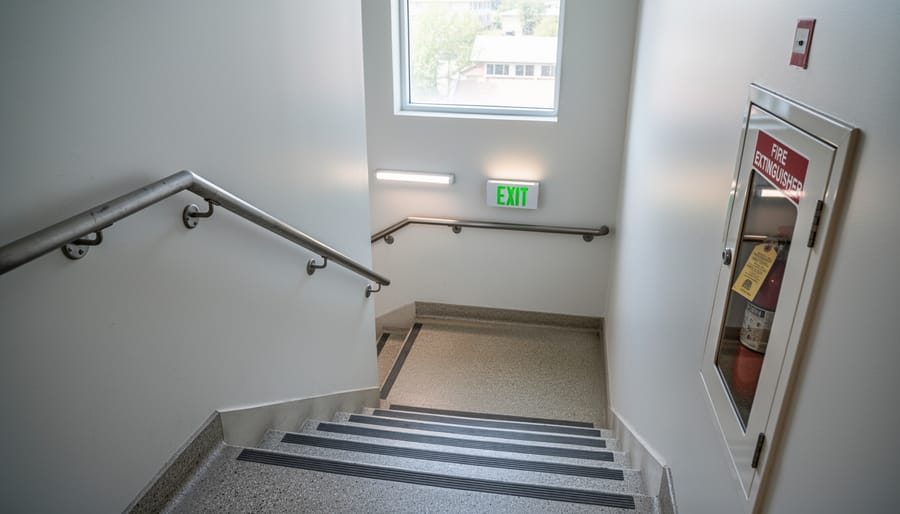
Before committing to a short lease flat, you need a clear picture of what you’re taking on, financially, practically, and in terms of your longer-term housing goals. The affordability that draws many buyers to these properties comes with trade-offs that deserve careful examination.
Lease Extension Costs and Timeline
Get a professional valuation for extending the lease before you make an offer. Extension costs rise sharply as leases shorten, and you’ll need to factor in both the premium paid to the freeholder and legal fees. Under 80 years, you’ll also face “marriage value”, a share of the property’s increased worth after extension that goes to the freeholder. Budget for £5,000 to £15,000 in total costs for a typical London flat with a 65-year lease, though this varies widely by location and property value. The process takes six to twelve months, so plan accordingly.
Mortgage Availability and Terms
Most lenders won’t offer mortgages on leases under 70 years, and those that do often require larger deposits or charge higher rates. If you’re buying with less than 80 years remaining, speak with a mortgage broker early to understand your options. Some lenders will approve your purchase only if you commit to extending the lease immediately, which means covering both costs upfront.
Critical Pre-Purchase Checklist
Before viewing properties or making offers, assess these factors to avoid costly surprises:
- Freeholder reputation and responsiveness, check online reviews and speak with current leaseholders about their experience with repairs, extensions, and communication
- Building condition and retrofit potential, look for solid construction, good insulation opportunities, and space for bike storage or communal gardens that support sustainable living
- Service charge history and major works plans, request five years of accounts and ask about upcoming projects that could mean special assessments
- Community dynamics and long-term residents, buildings with active, engaged neighbors often better maintain shared spaces and support collective improvements
- Local environmental initiatives, research council retrofit programs, low-traffic neighborhoods, and community energy schemes that could benefit the property
- Transport links and walkability, proximity to public transport, local shops, and green spaces reduces car dependency and strengthens the sustainability case
Pay particular attention to the freeholder’s track record. A difficult or absent freeholder complicates everything from routine repairs to lease extensions, potentially undermining both your investment and your ability to improve the building’s environmental performance. Buildings with resident management companies or active tenants’ associations generally offer more control and better outcomes for sustainability-minded owners who want to push for upgrades like better recycling facilities or EV charging points.
When a Short Lease Flat Makes Sense (And When It Doesn’t)
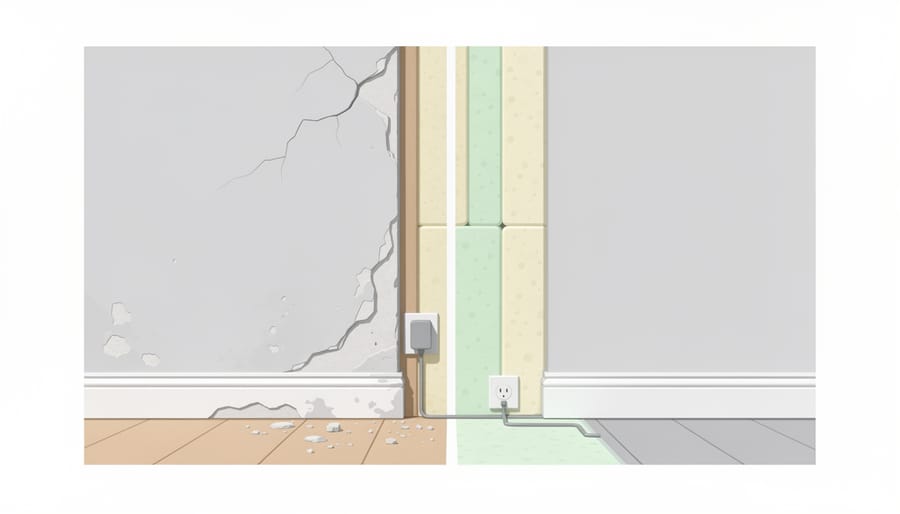
A short lease flat makes excellent sense if you’re planning to stay put for at least five years, have the financial cushion to handle extension costs, and value being part of an established community over owning a pristine new build. It’s particularly well-suited to first-time buyers who can access properties in desirable urban areas that would otherwise be out of reach, and to sustainability-focused individuals who recognize that occupying existing housing stock reduces environmental impact far more than creating new construction.
The sweet spot often exists for buyers who approach short leases as a deliberate choice rather than a compromise. If you’re someone who researches thoroughly, plans ahead, and sees housing as a long-term commitment to place and community, a 60-year lease on a well-maintained flat in a walkable neighborhood might align perfectly with your values. You’ll have time to extend the lease when it makes financial sense, you’ll avoid contributing to urban sprawl, and you’ll likely pay 15-30% less than comparable properties with longer leases.
These flats work especially well for community-minded buyers who appreciate the established social networks that come with older buildings, where neighbors have lived together for years and collectively care about maintaining their homes. The same way you might shop sustainably by choosing quality secondhand items over new products, selecting a flat in a solid 1930s building with 55 years left honors the embodied carbon already invested in that structure.
Short lease properties don’t make sense if you need maximum financial flexibility in the next three years, can’t secure a mortgage due to lender restrictions, or prefer the simplicity of a straightforward purchase without extension planning. They’re also a poor fit if you’re uncomfortable with the administrative work of lease extension negotiations or if the building shows signs of serious neglect that even an engaged community can’t overcome. Skip short leases entirely if the freeholder has a reputation for obstruction, if you’re stretching your budget so tight that unexpected costs would cause real hardship, or if your lifestyle requires frequent moves rather than putting down roots in one place.
Common Mistakes to Avoid
Buying a short lease flat offers real environmental and financial benefits, but rushing in without full awareness often leads to regret. Here’s what to watch out for.
The most common error is dramatically underestimating lease extension costs. Many buyers see a bargain price and assume they’ll simply extend the lease later, without obtaining proper valuations first. Extension costs vary wildly depending on your lease length, ground rent, property value, and your freeholder’s approach. Get a formal valuation from a chartered surveyor before you make an offer, not after exchange. Factor the full extension cost into your purchase decision, because mortgage lenders will.
Ignoring the building’s community dynamics is another frequent mistake. Unlike new developments with fresh management structures, older buildings with short leases often have established resident communities, long-standing disputes, or neglected maintenance. Talk to current leaseholders before committing. Are they engaged? Is there conflict with the freeholder? A strong, active residents’ association can be an asset for both sustainability projects and your quality of life, while a fractured community makes everything harder.
Many buyers also overlook the retrofit potential entirely. A short lease flat in a solid Victorian conversion might need better insulation, upgraded windows, or renewable heating, all improvements that reduce environmental impact and running costs. If the building has little scope for energy efficiency upgrades, you’re locked into higher emissions and bills for decades. Assess the fabric and systems realistically, and check whether the lease and freeholder permit modifications.
Price-driven panic is common too. Yes, short lease properties are cheaper, but some are cheap for good reason: problem freeholders, structural issues, or locations with limited appeal. Low price alone isn’t justification, especially when you’re bypassing the usual shopping tricks that help you spot poor value.
Finally, failing to research the freeholder’s reputation causes ongoing frustration. Some freeholders are reasonable and cooperative; others obstruct extensions, delay permissions, and create unnecessary expense. Check online forums, ask neighbors, and review any service charge history before proceeding.
Frequently Asked Questions
Can I get a mortgage on a short lease flat?
Mortgage availability depends on remaining lease length. Most high-street lenders won’t offer mortgages on properties with under 70 years remaining, though some specialists will consider leases as low as 50 years. You’ll typically face higher interest rates and larger deposit requirements the shorter the lease becomes.
When should I extend the lease after buying?
Extend as soon as you’ve owned the property for two years, which is when you gain the legal right to a statutory lease extension. This timing balances immediate costs against long-term value, and starting the process early avoids the marriage value calculation that kicks in once leases drop below 80 years. However, if you’re buying a flat under 80 years, factor extension costs into your purchase decision from the start.
Are short lease flats really more sustainable than new builds?
Yes, in most cases. Buying an existing flat avoids the embodied carbon from new construction materials, reduces urban sprawl by using existing infrastructure, and preserves the energy already invested in the building. A Victorian terrace converted to flats, even with a short lease, has already paid its environmental debt. Extending its useful life through thoughtful ownership is far more sustainable than adding another new unit to the housing stock.
What happens if I can’t afford the lease extension?
You can continue living in the property, but it becomes harder to sell and mortgage options disappear entirely once the lease drops very low. Some freeholders offer informal extensions at negotiated rates, though these lack the statutory protections of formal extensions.
Will my neighbors care about sustainability as much as I do?
Community values vary widely across buildings. The best indicator is whether residents have already organized around building improvements, communal spaces, or collective lease extensions, which suggests shared values beyond just property ownership.
Can I retrofit a short lease flat for better energy efficiency?
Yes, though you’ll need freeholder permission for external changes like window replacements. Internal improvements like insulation, efficient heating controls, and LED lighting are typically within your control as a leaseholder.
Do short lease flats come with hidden costs?
Beyond the obvious lease extension expense, watch for high service charges, planned major works assessments, and ground rent escalation clauses. Request at least three years of service charge accounts during your purchase enquiries, and check whether the building has a sinking fund for future repairs. These costs affect your long-term sustainability as much as the lease length itself.
Main Options Compared
When evaluating short lease flats as a sustainable housing option, your decision ultimately comes down to three distinct approaches, each offering different balances of cost, complexity, and environmental impact.
Buying to extend immediately suits buyers with capital who want long-term stability. You’ll pay market value minus a modest discount, then invest in a lease extension straight away. This approach secures your investment quickly but requires substantial upfront funds beyond the purchase price.
Buying with deferred extension plans attracts first-time buyers and those prioritising affordability now. You’ll benefit from significant purchase discounts (often 20-40% below market value) whilst living in the property before extending. This spreads costs over time but requires careful budgeting for the inevitable extension.
Short-term ownership for community benefit appeals to sustainability advocates who value location and existing housing stock over long-term investment returns. You accept the lease will remain short during your ownership, maximising the environmental benefit of occupying existing buildings whilst enjoying the lowest purchase prices.
Each path preserves embodied carbon equally, the key sustainable advantage, but your financial situation, timeline, and housing values determine which approach aligns best with your circumstances.
Choosing a short lease flat isn’t just about finding an affordable home, it’s about making a conscious decision that can reduce environmental impact while building stronger communities. When you buy existing housing stock rather than fuelling demand for new construction, you’re helping preserve embodied carbon and supporting the circular use of our built environment.
The buyers who thrive with short lease properties are those who approach the decision with clear eyes: understanding the costs, timelines, and community dynamics involved. They see the value in properties that others overlook, recognize the sustainability benefits of urban density, and appreciate the character and established neighborhoods that often come with older buildings.
If you’ve read this far, you’re already thinking critically about housing choices that align with your values. Take time to research specific properties thoroughly, connect with existing residents, and consider how a short lease purchase fits your long-term goals. The right short lease flat, bought with intention and proper planning, can be both a smart financial move and a meaningful contribution to sustainable living.
Your housing choice matters, not just for your own future, but for the communities and environment we all share.