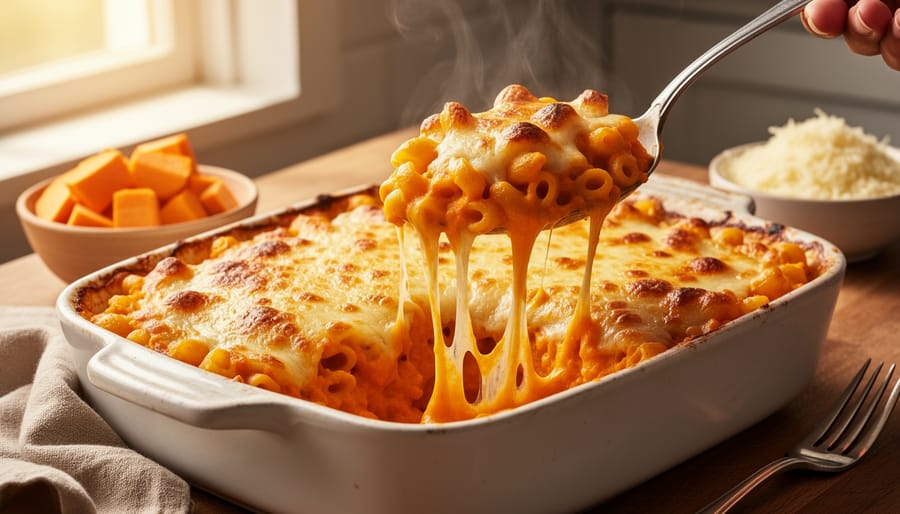

Butternut squash mac and cheese comes together in about an hour, and the method is simple: roast the squash until it’s soft, blend 2 cups of it into a sauce made with Gruyere, sharp cheddar, and pecorino or Parmesan, then toss it with cooked pasta. Bake it for a bubbly top if you like, or serve it straight from the pot.
Roasting first is what makes this work. The oven turns the squash sweet and tender, so it blends into a silky sauce that tastes rich without any graininess. It’s a friendly recipe for beginners, and it’s a lovely way to cook with seasonal produce, including the squash that tends to pile up at local markets and in community garden shares this time of year.
Below, you’ll find the tools, a few kitchen safety tips, and each step in order, plus ways to check that your sauce turned out just right.
What You’ll Need: Tools, Materials, and Ingredients for Butternut Squash Mac and Cheese
Choosing Your Cheeses: Gruyere, Sharp Cheddar, and Pecorino or Parmesan
Each cheese plays a different role in this sauce, so the trio is worth keeping together:
- Gruyere brings a smooth melt and a gentle, nutty flavor.
- Sharp cheddar adds the tang that keeps the squash from tasting too sweet.
- Pecorino or Parmesan gives salty, savory depth, and you can swap one for the other.
Together, they pair with the 2 cups of soft roasted squash to make a sauce that tastes rich without feeling heavy. Other melting cheeses can work too, so use what you have on hand and enjoy the experiment.
If you’re cooking for vegetarians, look for cheeses labeled as made without animal rennet. Many grocery stores and cheese counters carry them, though selection varies, so a quick check of the label helps.
Kitchen Safety Notes Before You Start Roasting and Blending
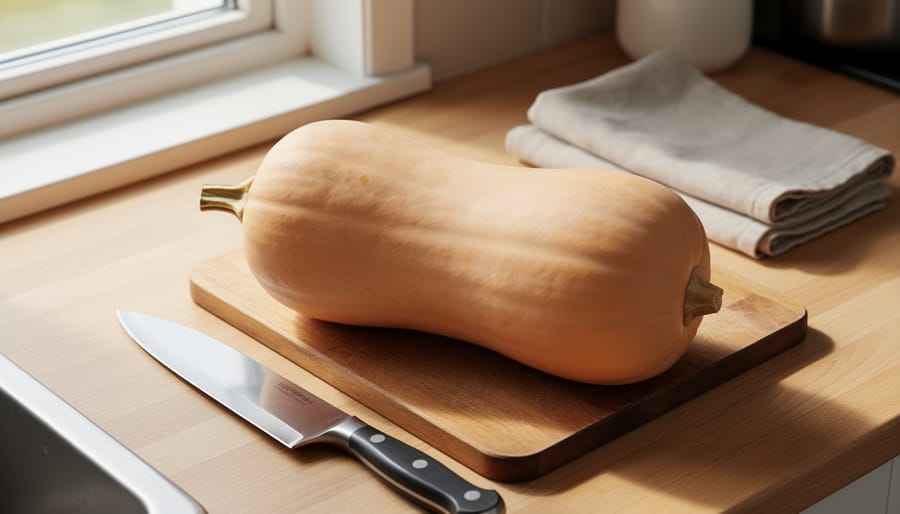
Butternut squash is hard, round, and a little slippery, so a few small habits make prepping it calm and easy. These safer prep kitchen tips are a good general refresher too.
Start by steadying your board. Set a damp towel underneath so it can’t slide. Use a sharp knife, since dull blades slip more, and cut with slow, steady pressure instead of forcing it. If the squash starts rocking, stop, set the knife down, and reset it flat side down before you continue.
Roasting at 375°F, 400°F, or 425°F means a hot baking sheet, so grab your oven mitts every time you move it. Once the squash is soft, let it cool a few minutes before blending. When you blend the squash with the melted cheeses, vent the lid slightly so steam can escape.
A little care here keeps the rest of the recipe relaxed.
How to Make Butternut Squash Mac and Cheese: Step-by-Step Process
Step 1: Roast the Squash Until Soft
Roasting beats boiling because dry oven heat concentrates the squash’s natural sweetness and keeps it from getting waterlogged. The result is deeper flavor and a smoother, silkier sauce. To start, slice the butternut squash in half, drizzle it with oil, and add a pinch of salt.
Here’s the five-step path this recipe follows:
- Roast the squash until it’s soft enough to scoop.
- Blend 2 cups of the roasted squash with Gruyere, sharp cheddar, and pecorino or Parmesan into a cheese sauce.
- Cook the pasta in well-salted water.
- Fold the pasta and sauce together until every piece is coated.
- Bake or add a topping, then finish and serve.
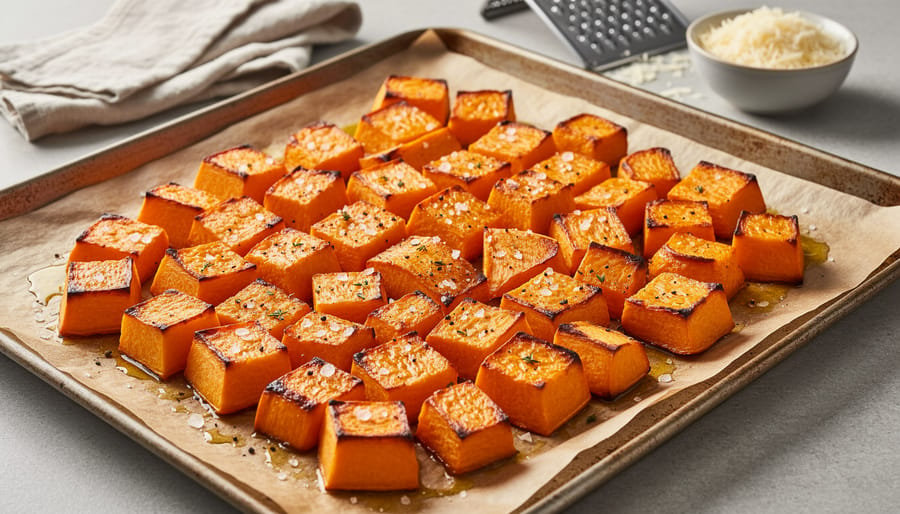
Oven temperatures vary by source, so choose what suits your kitchen. One method roasts at 375°F for 45-60 minutes. Another preheats to 400°F (205°C), and a third uses 425°F to roast the squash until golden brown and fully cooked. Your goal is squash soft enough to scoop and blend, so feel free to match the temperature to whatever else is in the oven.
Step 2: Blend the Squash Into a Creamy Cheese Sauce
Once your squash is soft and golden, scoop 2 cups of it into a blender or food processor. Add the melted Gruyere, sharp cheddar, and pecorino or Parmesan, then blend until the sauce looks silky and smooth, with no flecks of squash left behind. Stop and scrape down the sides once or twice so everything gets pulled in.
Here’s what to look for: the sauce should be pourable but thick enough to coat the back of a spoon. If it feels too stiff, blend in a splash of warm pasta cooking water, a spoonful at a time, until it loosens. If it’s thinner than you’d like, give the squash a few extra minutes to cool slightly before blending again, since the sauce thickens a little as it sits.
Taste it, too. The Gruyere brings nuttiness, the cheddar adds tang, and the pecorino or Parmesan gives that salty finish.
Steps 3 and 4: Cook the Pasta and Combine
Cook your pasta in well-salted water, but pull it off the heat just shy of tender. It will keep softening as it meets the warm sauce, and a little bite now keeps it from turning mushy later. Drain it well, then tip it back into the pot or a big bowl.
Pour in your blended squash cheese sauce and fold gently until every piece is coated and glossy. A wide spoon or spatula works best.
Here’s a tip for extra texture: if you’ve got leftover roasted squash, cut it into cubes and stir them in at the end. Extra squash roasts up golden brown and fully cooked at 425°F, and those caramelized bits add a nice contrast to the silky sauce.
Step 5: Bake or Finish With a Topping (Optional)
Once the pasta is coated in the squash cheese sauce, you’ve got two good ways to serve it. For a saucier, creamier bowl, spoon it straight from the pot while it’s still hot. Nothing else is needed, and it’s ready the moment everything is combined.
If you’d like a golden, bubbly top, transfer the mac and cheese to a baking dish and bake it until the surface turns lightly golden. Because the pasta is already cooked and the sauce is already smooth, this step is about color and texture rather than cooking anything through.
Either way, toppings are optional. A handful of extra grated cheese melts into a lovely crust, and crunchy breadcrumbs add a pleasing contrast to the silky sauce. Choose whichever suits your table, and enjoy it with the people you’re sharing it with.
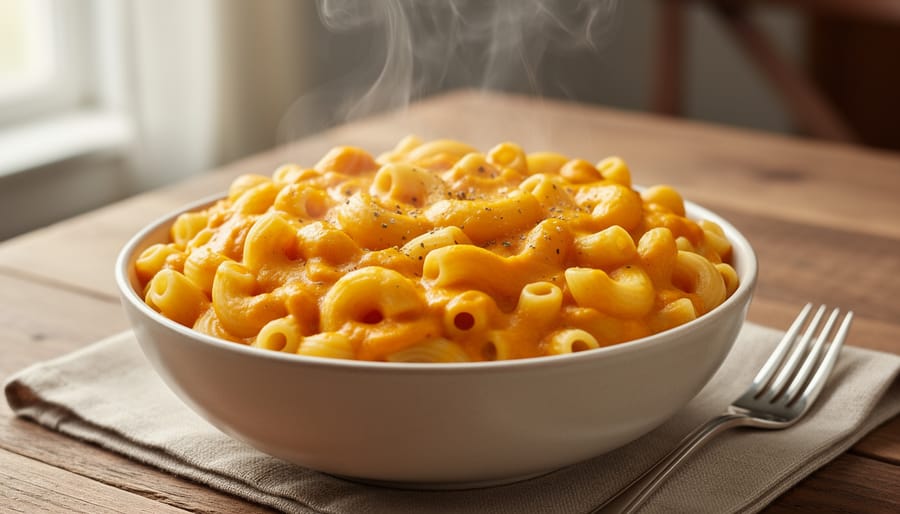
How to Tell It Turned Out Right (and What to Do Next)
Using the Whole Squash and Storing Leftovers
While the oven is already hot, roast a second squash half or a tray of extra cubes. Tuck them into grain bowls, soups, or tomorrow’s lunch, and nothing sits forgotten in the crisper drawer. The seeds are worth saving too: rinse them, pat them dry, toss with a little oil and salt, and roast until golden for a crunchy snack or a topping for your mac and cheese.
Once dinner is done, let any leftover mac and cheese cool, then refrigerate it in a covered container. Reheat gently, adding a splash of milk if the sauce has tightened up, and check that it smells and looks right before you eat it.
Cooking this way is a small, friendly step toward mindful, low-waste meals, and it makes weeknight cooking easier too.
Cook Together: Community Ideas for Seasonal Squash Meals
Butternut squash mac and cheese is made for sharing. Bring a big dish to a potluck or neighbourhood meal, and you’ll likely find people trading their own squash tricks before the pan is empty. Community kitchens and cooking workshops are great places to swap tips, like how to save extra squash for later or how to freeze leftovers so nothing goes to waste.
Chatting with neighbours about the food waste impact in our own kitchens can spark small, doable changes. Pick up some composting tips for those squash peels while you’re at it. Keep an eye on Eatgrain.ca’s events and partner organizations for upcoming sustainable cooking opportunities near you.
Butternut Squash Mac and Cheese FAQs
Do you have to roast the squash first?
Yes, roasting is the method used here. The squash is roasted until soft before it’s blended into the cheese sauce, which gives deeper flavor than boiling.
How much squash goes into the sauce?
Use 2 cups of soft roasted squash to make the creamy sauce.
Which cheeses work best?
Gruyere, sharp cheddar, and pecorino or Parmesan make a lovely blend. Pecorino and Parmesan are interchangeable, so use whichever you have on hand.
What oven temperature should I use for roasting?
Methods vary. One preheats the oven to 400°F (205°C), another roasts at 375°F for 45 to 60 minutes, and another uses 425°F until golden brown and fully cooked. Choose the one that fits what else you’re baking, and roast until the squash is soft enough to scoop.
Have another question in mind? Roasting the squash a little ahead of time is an easy way to make your cooking day feel lighter, and any extra can go into other meals so nothing goes to waste.
Butternut squash mac and cheese is a simple, comforting way to enjoy a seasonal vegetable while making the most of every squash you bring home. The method is easy to remember: roast the squash until soft, blend about 2 cups of it into your cheese sauce, and toss it all with cooked pasta. Give it a try, then share a big, cozy bowl with friends or family. For more ideas on cooking with the seasons, visit Eatgrain.ca’s community events and workshops, where neighbours gather to swap tips and make sustainable cooking a little more joyful.