
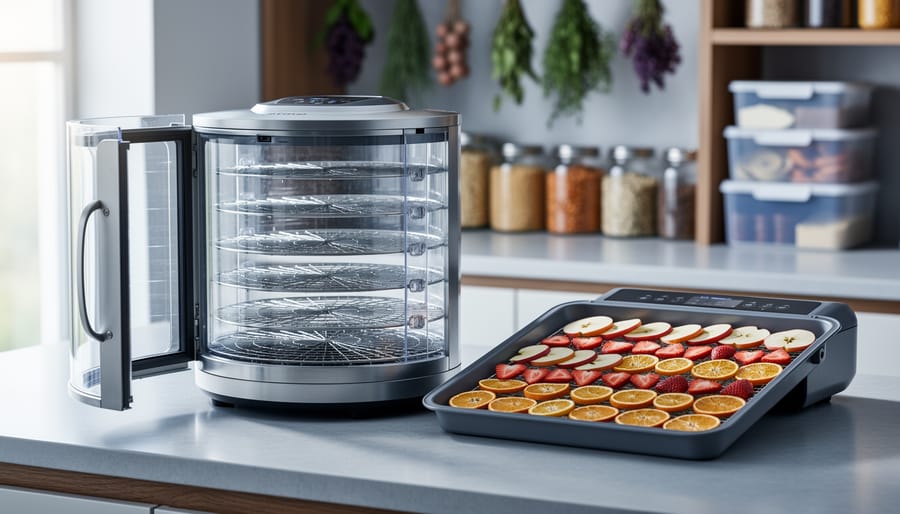

No, freeze drying and dehydrating are not the same. Though both methods preserve food by removing moisture, they use completely different processes, retain vastly different nutrient profiles, and produce end results that differ in texture, shelf life, and cost. If you’re trying to cut down on food waste impacts while building a sustainable pantry, understanding which preservation method fits your lifestyle matters more than you might think.
Freeze drying removes 98-99% of moisture through a freezing and sublimation process, transforming ice directly into vapor without passing through a liquid state. The result? Lightweight, crunchy foods that rehydrate almost perfectly and can last 25 years or more when stored properly. Traditional dehydration, on the other hand, uses heat and airflow to evaporate around 90-95% of moisture, creating chewy or crispy foods with a typical shelf life of one to two years.
For home cooks and sustainability advocates looking to preserve garden harvests, reduce grocery waste, or build emergency food supplies, the choice between these methods depends on your budget, storage goals, and how you plan to use your preserved food. A freeze dryer is a significant investment, often running several thousand dollars, while a quality dehydrator costs under $200. We’ll walk you through exactly how each process works, compare them across key factors like nutrition retention and energy use, and help you decide which method aligns with your food preservation goals.
At a Glance: Freeze Drying vs. Dehydrating
If you’re deciding between freeze drying and dehydrating, the table below shows how these two preservation methods differ at a glance. Each approach removes moisture from food, but they do it in dramatically different ways, and those differences matter for your goals, your budget, and the planet.
| Factor | Freeze Drying | Dehydrating |
|---|---|---|
| Process | Freezes food, then removes ice through vacuum sublimation | Uses warm air to evaporate moisture over time |
| Temperature | Very low (typically -40°F to -50°F) | Warm to moderate (95°F to 165°F) |
| Moisture Removed | 98-99% | 90-95% |
| Shelf Life | 20-25 years when stored properly | 1-10 years depending on food type |
| Texture When Rehydrated | Nearly original texture and appearance | Chewy or crispy; doesn’t fully return to original |
| Nutritional Retention | Preserves 95-97% of nutrients | Retains 60-80%; heat-sensitive vitamins degrade |
| Energy Use | Higher (runs 20-40 hours per batch) | Lower (runs 6-12 hours per batch) |
| Best For | Complete meals, long-term storage, maximum nutrition | Snacks, seasonal produce, getting started affordably |
The contrast is striking. Freeze drying locks in nearly all nutrients and creates food that lasts decades, but demands more energy and a bigger upfront investment. Dehydrating offers an accessible entry point with lower equipment costs and faster cycles, though the trade-off shows up in shorter shelf life and some nutrient loss from heat exposure. Neither method is universally better, your choice depends on what you’re preserving, how long you need it to last, and which trade-offs align with your sustainability priorities.
Understanding Each Preservation Method
What Freeze Drying Is
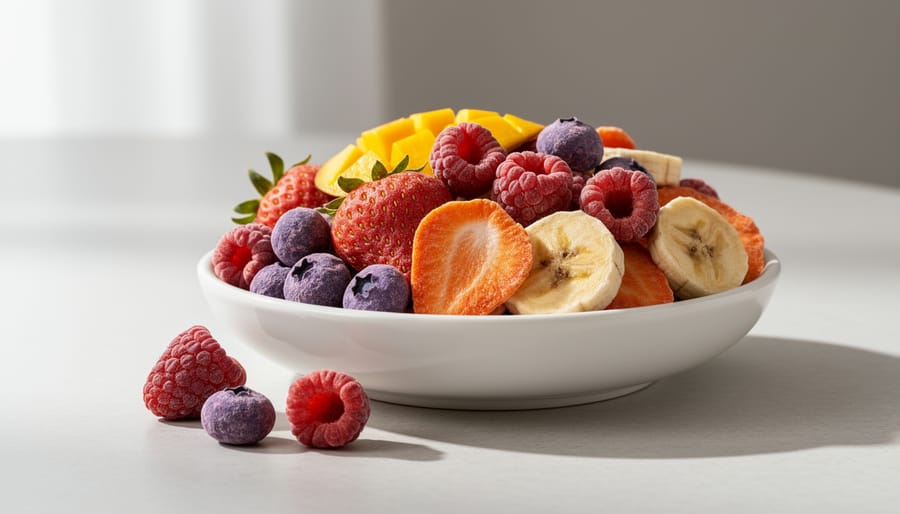
Freeze drying, also called lyophilization, removes nearly all moisture from food while keeping its original structure remarkably intact. The process starts by freezing food to temperatures as low as -40°F or colder, turning the water inside into ice crystals. Then comes the fascinating part: instead of melting that ice, a vacuum chamber lowers the air pressure so dramatically that the ice transforms directly into vapor, a phenomenon called sublimation. You’ve seen sublimation in everyday life when frost disappears from your windshield on a cold, dry morning without ever becoming liquid water first.
This gentle transformation is what makes freeze drying special. Because the food never passes through a liquid phase during moisture removal, the cellular walls and structure remain largely undisturbed. Think of it like removing the scaffolding from a building while leaving the architecture standing. When you rehydrate freeze-dried strawberries or peas, they plump back up to something remarkably close to their fresh form, retaining vibrant color and flavor that heat-based methods can’t match.
The low temperatures preserve heat-sensitive vitamins and enzymes that would otherwise break down. Vitamin C, B vitamins, and beneficial plant compounds survive the process largely intact, which matters if you’re relying on preserved foods as nutrition staples rather than occasional conveniences.
From a sustainability angle, freeze drying’s superpower is time. Properly stored freeze-dried foods remain nutritious and safe for 20 to 25 years, which transforms how we think about food waste. You can preserve summer’s abundance without pressure to consume it quickly, rescue surplus from community gardens, or build genuinely long-term food security, all of which keep edible food out of landfills.
What Dehydrating Is
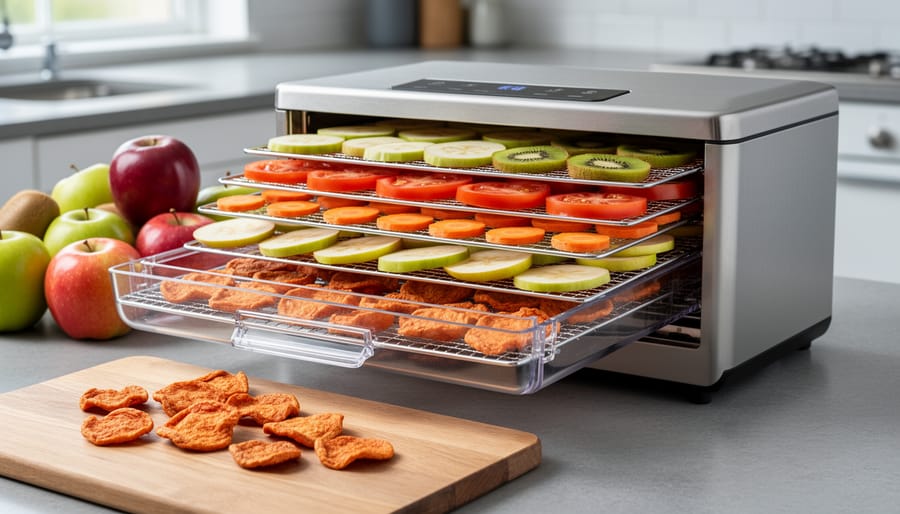
Dehydrating removes moisture from food by exposing it to warm, circulating air over several hours. The process works by heating food to temperatures typically between 95°F and 165°F (35°C to 74°C), depending on what you’re preserving. As the air warms the food, moisture evaporates from the surface, and the continuous airflow carries that moisture away. This gradual drying concentrates flavors and prevents bacterial growth by reducing water content to about 90-95% removal.
The heat involved changes food’s texture in noticeable ways. Fruits become chewy or leathery, vegetables turn crispy or brittle, and meats transform into jerky. Unlike freeze drying, dehydrated foods don’t rehydrate back to their original texture, they retain that concentrated, denser quality even after soaking. Think of the difference between a fresh strawberry and a dried one: both are delicious, but completely different experiences.
Heat also affects nutrients, though less dramatically than you might expect. Water-soluble vitamins like vitamin C and some B vitamins degrade partially during the drying process, with losses ranging from 10% to 50% depending on temperature and duration. Heat-stable nutrients, fiber, minerals, and most antioxidants, remain largely intact. The key is using lower temperatures for longer periods rather than rushing the process with high heat.
From a sustainability perspective, dehydrating shines in accessibility. Basic dehydrators use about the same energy as a lightbulb (300-1000 watts), and you can even use your oven or solar dehydrator. The equipment costs $40 to $300 rather than thousands, making food preservation achievable for most households. You’ll process smaller batches than with freeze drying, but the lower barrier to entry means more people can participate in reducing food waste right now.
How They Compare: The Key Differences
Moisture Removal and Final Product
The fundamental difference starts with water content. Freeze drying pulls out nearly all moisture, typically 98 to 99%, by freezing food solid and then vaporizing the ice in a vacuum chamber. Dehydrating works more gently through warm air circulation, which removes 80-95% moisture depending on the food type and settings. That small gap makes a big difference. Freeze-dried strawberries crumble into airy, lightweight pieces that dissolve on your tongue and rehydrate in minutes. Dehydrated strawberries become leathery chips that stay chewy even after soaking. The extra dryness in freeze-dried foods means bacteria and mold have almost no water to survive on, which extends shelf life dramatically and allows you to store fruits, vegetables, and even complete meals without refrigeration for decades.
Nutritional Retention
When you’re committed to plant-based eating, keeping nutrients intact during preservation matters. Freeze drying operates at extremely low temperatures, often below -40°F, which means heat-sensitive vitamins like C and B-complex remain largely undisturbed. Studies show freeze-dried foods retain 90-97% of their original nutritional content because the process never triggers thermal degradation.
Dehydrating, by contrast, applies heat ranging from 95°F to 165°F for hours. That warmth breaks down some vitamins, particularly thiamine, folate, and vitamin C. You’ll typically preserve 50-80% of heat-sensitive nutrients, though minerals and fiber stay intact. For those relying on preserved foods as nutritional staples rather than occasional snacks, freeze drying delivers significantly better vitamin retention, a meaningful consideration when seasonal produce needs to fuel your diet year-round.
Texture, Taste, and Rehydration
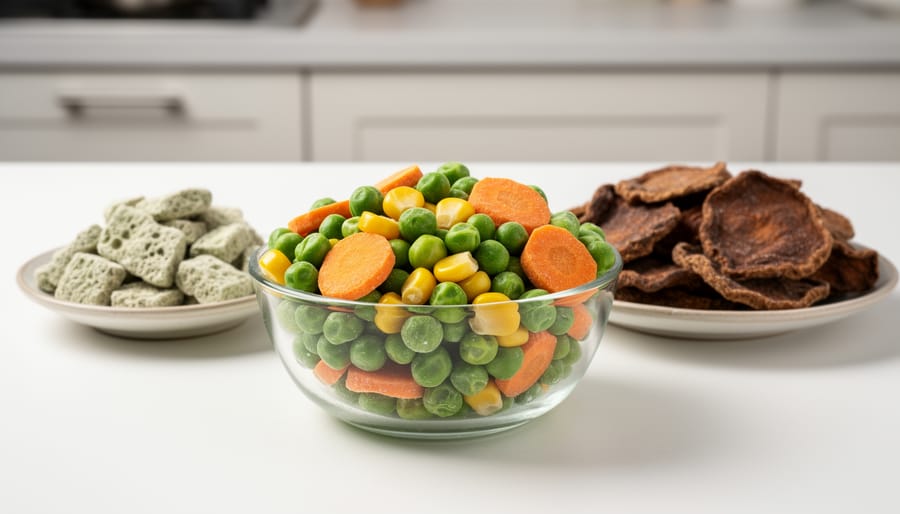
The way food feels and tastes after preservation varies dramatically between these two methods. Freeze-dried foods maintain their cellular structure because ice crystals sublimate without rupturing cell walls. When you add water back, the food absorbs moisture quickly and returns to something remarkably close to its original texture. Strawberries regain their softness, scrambled eggs become fluffy again, and vegetables in soup taste freshly cooked.
Dehydrated foods tell a different story. Heat collapses cell structures during drying, creating permanent changes. Fruits become chewy or leathery, think raisins or dried apricots. Vegetables turn crisp or tough depending on how they’re sliced. While many people love these concentrated flavors and satisfying textures as snacks, dehydrated foods won’t fully return to their original state even after soaking. Rehydrated dried tomatoes stay chewier than fresh ones, and apple chips never quite become fresh apples again. For prepared meals where texture matters, freeze drying wins. For portable snacks where concentrated flavor is the goal, dehydration shines.
Shelf Life and Storage
Shelf life is where the gap between freeze drying and dehydrating becomes dramatic. Freeze-dried foods, when stored properly in airtight containers away from light and heat, can last 20 to 25 years, sometimes longer. Dehydrated foods typically maintain quality for 1 to 10 years, depending on the food type and storage conditions.
This difference matters significantly when you’re trying to reduce food waste. Freeze-dried foods give you decades to use preserved summer berries or garden vegetables, meaning nothing gets tossed because you didn’t get to it in time. For emergency preparedness, that extended shelf life means stocking a pantry once rather than rotating supplies every few years. Dehydrated foods still outlast most fresh or frozen options by months or years, making them excellent for regular meal planning and seasonal preservation, just with a shorter window.
Energy Use and Equipment
Energy demands and equipment costs differ dramatically between these two methods, and understanding these differences helps you make choices that align with both your budget and your environmental values.
Freeze dryers consume significantly more electricity, typically 1,500 to 2,500 watts over 20 to 40 hours per batch. A home freeze dryer can cost $2,000 to $5,000, making it a substantial investment. However, you’re preserving larger quantities with exceptional longevity, which means fewer batches overall and less food waste long-term.
Dehydrators, by contrast, use 300 to 1,000 watts and run for 4 to 12 hours. Most quality home dehydrators cost $50 to $300, making them accessible for nearly anyone starting their preservation journey. While they process smaller batches and preserve food for shorter periods, their lower energy draw reduces immediate environmental impact.
The trade-off comes down to scale and intention. If you’re preserving a summer garden harvest or buying bulk seasonal produce to avoid waste year-round, a freeze dryer’s higher energy use may be offset by the volume saved. For regular small batches and snacks, a dehydrator’s efficiency shines. Consider pairing either method with renewable energy sources or timing batches during off-peak hours to minimize your carbon footprint.
Environmental Footprint
When weighing the environmental impact of these preservation methods, there’s no clear winner, each has trade-offs worth considering. Freeze drying consumes significantly more electricity upfront, often requiring 1,500-2,500 watts per cycle that can run 20-40 hours. However, that energy investment pays dividends through decades-long shelf life and near-zero food waste. A single freeze-drying session can preserve an entire harvest, preventing waste that would otherwise end up in landfills producing methane.
Dehydrators use far less power, typically 300-1,000 watts, and run for shorter periods, making them accessible even off-grid. Their lower energy footprint appeals to those prioritizing immediate resource conservation, though shorter shelf life means you’ll preserve smaller batches more frequently.
Both methods become greener when powered by renewable energy. If your community offers solar partnerships or you have rooftop panels, freeze drying’s energy demands become less concerning. Similarly, running a dehydrator during peak solar hours maximizes sustainability. The best choice depends on your energy access, storage goals, and how much food you’re preserving.
Which Preservation Method Is Right for You?
Choose Freeze Drying If…
Freeze drying is worth considering if your primary goals involve long-term planning and maximum preservation quality. This method excels when you’re storing food for years rather than months, ideal for building emergency supplies, preserving garden harvests for extended periods, or supporting community food banks with shelf-stable donations. If you follow a plant-based diet, freeze drying maintains the full spectrum of vitamins and minerals that make fruits, vegetables, and prepared meals nutritious, whereas heat-based methods degrade some of these compounds.
You’ll also find freeze drying valuable for preserving complete meals, soups, stews, casseroles, that rehydrate to near-original texture and taste. For serious food waste reduction efforts, the technology captures surplus produce at peak freshness and locks in quality for decades, multiplying the environmental benefits of preventing spoilage. Community groups running bulk preservation projects often choose freeze drying because it handles large volumes and produces lightweight, nutrient-dense food that’s easy to distribute and store.
Choose Dehydrating If…
Dehydrating is the more practical choice if you’re new to food preservation and want to start without a major investment. Basic dehydrators cost between $50 and $200, and you can even use your oven on its lowest setting to test the waters. This accessibility makes it ideal for experimenting with preservation techniques before committing to specialized equipment.
If your main goal is preserving seasonal garden produce or farmers’ market finds in manageable quantities, dehydrating handles these batches beautifully. You can dry a few pounds of tomatoes, herbs, or berries as they ripen rather than waiting to accumulate enough for a larger-scale preservation session. The process fits naturally into a weekend routine.
Dehydrating excels at creating portable snacks and trail foods. Fruit leathers, vegetable chips, jerky alternatives, and dried fruits become concentrated flavor bombs perfect for hiking, school lunches, or quick energy between meals. The chewy, crispy textures that dehydrating produces are often exactly what you want for these applications.
Limited storage space also points toward dehydrating. The finished products take up less room than freeze-dried equivalents, and dehydrators themselves have a smaller footprint than home freeze dryers. If you live in an apartment or small home, this matters.
The lower energy requirements align with sustainability goals too. Dehydrators typically run for 6 to 12 hours but use minimal electricity compared to freeze dryers, making them a lighter environmental choice for routine preservation projects.
Common Questions About Freeze Drying and Dehydrating
Can you freeze dry food at home?
Yes, home freeze dryers are available, though they’re a significant investment ranging from $2,000 to $5,000. They require dedicated space and a learning curve, but many households and community groups find them worthwhile for preserving large harvests and reducing long-term food costs.
Is dehydrating safer than freeze drying?
Both methods are safe when done properly. Dehydrators are simpler to operate and pose fewer technical risks, while freeze dryers require understanding vacuum systems and proper sealing. The key safety concern for both is ensuring food reaches low enough moisture levels to prevent bacterial growth during storage.
Which method uses less electricity overall?
Dehydrators use less electricity per batch, typically 300-1000 watts over 6-12 hours. Freeze dryers draw more power (1400-2400 watts over 20-40 hours), but they preserve larger quantities at once and create food that lasts decades, potentially offsetting energy use through reduced waste over time.
Can I use a dehydrator instead of a freeze dryer for everything?
Not quite. Dehydrators work brilliantly for fruits, vegetables, herbs, and jerky, but they can’t preserve complete meals, dairy, or delicate foods with the same quality. If you’re mainly preserving garden produce and making snacks, a dehydrator handles most tasks well.
Understanding these practical details helps you make choices that align with your goals. Many people who want to cut waste at home start with dehydrating seasonal abundance, then explore freeze drying as their preservation practice grows.
Community food preservation programs often use both methods strategically. Dehydrators handle high-volume harvests during peak growing season, while freeze dryers preserve prepared meals for food banks or emergency supplies. Some neighborhoods pool resources to purchase a freeze dryer collectively, sharing both the equipment and the learning process. This collaborative approach makes advanced preservation accessible while strengthening local food resilience and reducing the environmental impact of food waste across the community.
What Each Option Is
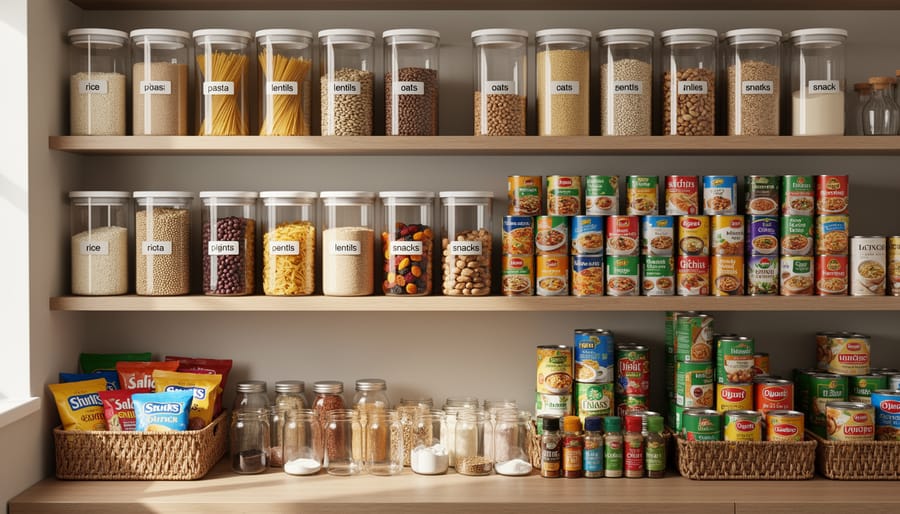
Before we compare these methods side by side, let’s establish what each one actually does to your food.
Freeze drying removes moisture by first freezing food to extremely low temperatures, usually around -40°F or colder. Once frozen solid, the food goes into a vacuum chamber where pressure drops dramatically. This causes the ice to transform directly from solid to vapor without becoming liquid first, a process called sublimation. The result is food that retains its original shape and structure but weighs almost nothing because 98-99% of its water content is gone.
Dehydrating takes a different approach. It circulates warm air, typically between 95°F and 165°F depending on what you’re preserving, around food for several hours. This heat gradually evaporates moisture from the surface inward until the food reaches about 5-10% moisture content. You’ve probably seen dehydrated foods before: dried apple rings, beef jerky, or sun-dried tomatoes all come from this process.
Both methods preserve food by removing the water that bacteria and mold need to grow, but they get there through completely different pathways.
Taking Action: Integrating Food Preservation Into Your Sustainable Routine
Now that you understand how freeze drying and dehydrating differ, you can make a choice that fits your lifestyle without second-guessing. The good news? There’s no wrong answer here. Both methods extend the life of food that might otherwise go to waste, and both support a more sustainable relationship with what you eat.
Start small. If you’re curious about dehydrating, try preserving a batch of seasonal fruit or making veggie chips from produce that’s about to turn. Already have access to a freeze dryer through a community kitchen or local food hub? Experiment with a small batch of prepared meals or herbs. You’ll learn what works for your space, schedule, and eating habits without overcommitting.
Many communities offer hands-on workshops where you can try both methods before investing in equipment. Local food preservation groups, cooperative kitchens, and sustainability organizations often host seasonal events focused on reducing waste and building skills. These gatherings give you a chance to ask questions, share tips, and connect with others who care about making thoughtful food choices.
At, we’re building a community of people who want to eat well while caring for the planet. Whether you choose freeze drying, dehydrating, or a combination of both, you’re taking meaningful action. Join our workshops, share your experiences, and discover how small steps in food preservation add up to real change. Your journey toward less waste and more intention starts exactly where you are.