
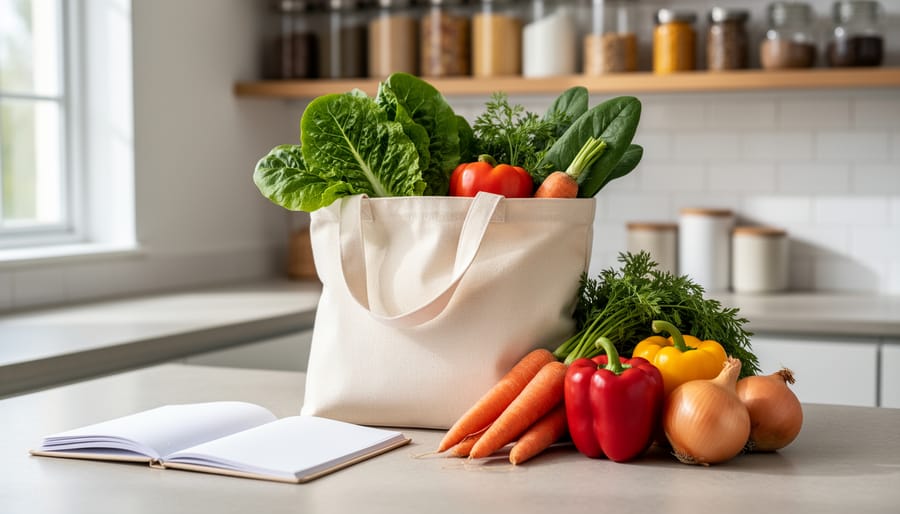

A food planning guide is a structured approach to deciding what you’ll eat over a set period, typically a week or month, before you shop or cook. It combines meal planning, grocery budgeting, and strategic prep to reduce chaos in the kitchen while cutting down on the money and resources you waste.
Most of us have stood in front of an open fridge at 6 PM, staring at wilting vegetables and wondering what’s for dinner. That moment of indecision costs more than time. Households that don’t plan their meals throw away roughly 30% of the food they buy, contributing directly to food waste impacts that extend far beyond the compost bin. When food rots in landfills, it releases methane, a greenhouse gas significantly more potent than carbon dioxide. Planning what you eat before you buy it is one of the simplest ways to shrink your environmental footprint.
This guide will walk you through what food planning actually involves, how the process works from start to finish, and the different approaches you can take depending on your lifestyle. Whether you’re cooking for one, feeding a family, or trying to eat more plant-forward meals without the guesswork, you’ll find practical methods that fit your routine. We’ll also cover common stumbling blocks and how local community programs can support your efforts. The goal isn’t perfection. It’s progress that sticks.
What a Food Planning Guide Really Means
A food planning guide is a comprehensive system for organizing how you buy, store, prepare, and consume food with sustainability at its core. Unlike a simple meal plan that just tells you what to eat each day, a food planning guide considers the bigger picture: what’s in season now, how much fridge and pantry space you have, how to use every part of what you buy, and how to balance nutrition across the week without creating waste.
Think of it as a framework that connects your grocery shopping to your actual eating patterns. Instead of wandering the supermarket aisles hoping inspiration strikes, you work backwards from what you already have at home, what’s abundant and affordable right now, and what you genuinely enjoy eating. This approach naturally reduces impulse purchases and those forgotten vegetables that turn to mush in your crisper drawer.
The system incorporates several practical strategies that make sustainable eating more manageable:
- Meal prep
- Preparing ingredients or complete meals in advance to save time during busy weekdays and reduce the temptation of less sustainable convenience options.
- Ingredient rotation
- Using older items first and planning meals that share common ingredients to minimize waste and maximize freshness.
- Seasonal eating
- Choosing produce at its natural peak availability, which typically means better flavour, lower prices, and reduced environmental impact from transportation and storage.
- Batch cooking
- Making larger quantities of staple ingredients or dishes that can be used multiple ways throughout the week, reducing energy use and kitchen time.
- Food inventory management
- Keeping track of what you have on hand so you can plan around existing ingredients rather than overbuying.
These elements work together to create a system that adapts to your life rather than adding rigid rules. The goal is making sustainable choices feel natural and achievable, not overwhelming.
How Food Planning Guides Work in Practice
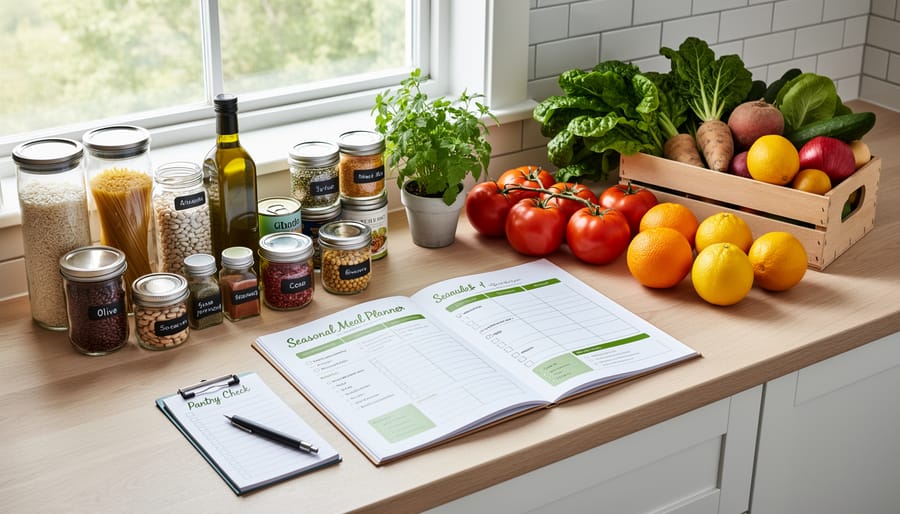
Using a food planning guide follows a simple cycle that builds on itself each week. The process starts with a pantry and fridge audit, where you take stock of what’s already there. Check expiration dates, note half-used vegetables, and identify grains or canned goods that have been sitting too long. This step alone often reveals enough ingredients for two or three meals, which immediately reduces what you need to buy.
Next, plan meals around those existing ingredients first. If you’ve got wilting greens and leftover rice, that’s a grain bowl or fried rice. Half a can of chickpeas and some root vegetables become a curry. This approach directly addresses why waste matters by ensuring food gets used before it spoils.
Once you know what meals you’re making, create a shopping list for only the missing pieces. Write down specific quantities rather than vague items. You need two bell peppers and a bunch of cilantro, not just “vegetables.” This precision prevents overbuying and the waste that follows.
When you get home from shopping, spend 20 minutes on prep work. Wash and chop vegetables that wilt quickly, portion out grains or beans if you cooked a big batch, and store everything properly. Glass containers work better than plastic bags for visibility, and labeling with dates helps you use things in the right order.
Throughout the week, track what actually gets eaten and what doesn’t. Maybe you planned tacos for Tuesday but ended up working late, so the avocado went soft. Note that pattern. Perhaps Sunday batch cooking works better for your schedule than nightly preparation. These observations feed into next week’s planning, making the whole system more accurate over time.
The cycle repeats each week, but it gets faster as you learn your household’s patterns. You’ll recognize which vegetables you consistently forget about, which meals generate useful leftovers, and how much food your family actually eats. What felt like homework in week one becomes a 15-minute routine by week four, and the reduction in wasted food and money makes it genuinely worthwhile.
Different Approaches to Food Planning
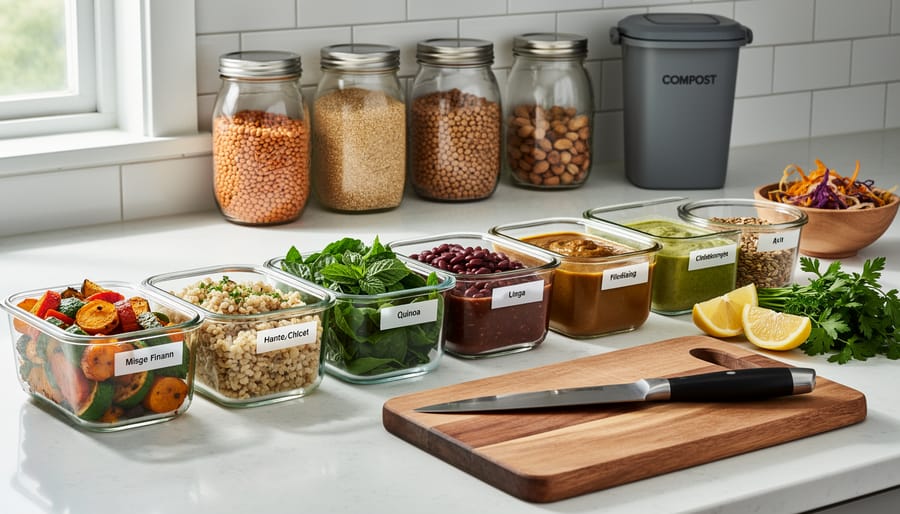
Template-Based Planning
Template-based planning gives you a repeatable structure without locking you into rigid meal choices. Think of it as creating your own personal blueprint: you might designate Monday as “grain bowl night” and Friday as “use-up-the-vegetables stir-fry,” but the specific ingredients change based on what’s seasonal, on sale, or already in your kitchen.
Most people start with a simple weekly template that assigns general meal categories to each day. This approach dramatically cuts down waste because you’re building habits around using what you have rather than buying random ingredients for one-off recipes. Your template becomes a framework for rotation, this week’s Tuesday pasta features whatever greens need using, next week it might be roasted squash and herbs from your garden.
Monthly templates work well if you shop less frequently or want to coordinate with CSA deliveries and farmers market schedules. The key is leaving enough flexibility to adapt while maintaining the consistency that prevents last-minute takeout runs and forgotten produce. Many templates include a designated leftover transformation night, turning Sunday’s roasted vegetables into Monday’s grain salad or soup base.
Seasonal and Plant-Forward Frameworks
Seasonal and plant-forward frameworks organize your meals around what’s naturally available in your region throughout the year, with plant-based proteins taking center stage. Instead of planning the same rotation every week, these guides shift with the seasons, winter squashes and hearty greens in colder months, fresh tomatoes and zucchini in summer.
The environmental payoff is significant. Seasonal produce typically travels shorter distances and requires less energy-intensive storage. When you build meals around local spring asparagus rather than imported berries, you’re reducing transportation emissions while supporting regional growers. Plant-forward eating amplifies these benefits, producing beans, lentils, and tofu generates far fewer greenhouse gases than raising livestock.
These frameworks work beautifully for vegetarian and vegan households, but you don’t need to eliminate animal products entirely. Start by designating certain days as plant-based or make vegetables the main event with smaller portions of meat or fish as accompaniments. A good seasonal framework includes a rotation of plant proteins to prevent monotony: chickpeas one week, tempeh the next, then black beans.
The practical advantage? Your planning gets easier as you develop a mental catalog of what grows when. You’ll naturally reach for butternut squash recipes in autumn without checking a guide.
Zero-Waste Planning Systems
Zero-waste planning systems take food planning a step further by designing every meal decision around minimizing discarded food. These guides start with the whole ingredient, carrot tops become pesto, broccoli stems turn into slaw, and vegetable scraps simmer into broth. The planning process accounts for every edible part before you even shop.
A zero-waste guide typically includes a composting tracker that logs what can’t be eaten, helping you identify patterns and adjust future purchases. You might notice you consistently compost citrus peels, prompting you to find recipes that use zest or candied peel. Some systems incorporate a “rescue shelf” in your meal plan, a designated space for ingredients nearing their use-by date that must appear in the next day’s meals.
The leftover strategy becomes central rather than an afterthought. Monday’s roasted vegetables become Tuesday’s grain bowl filling, with Wednesday’s soup incorporating both the remaining grains and vegetable scraps you’ve been saving. These systems require upfront planning but dramatically reduce what leaves your kitchen. Many zero-waste planners keep a “scrap diary” noting creative uses they’ve discovered, building a personalized reference that makes future planning faster and more intuitive.
Putting Your Food Planning Guide to Work
Once you’ve chosen a planning approach that fits your life, the real work begins, and that’s where the benefits become tangible. A food planning guide isn’t just theory; it’s a practical tool that helps you make better decisions at every stage of the food cycle.
The most immediate impact shows up in your kitchen. When you plan meals around what you already have and shop with intention, you’ll reduce food waste by using ingredients before they spoil and finding creative ways to repurpose leftovers. That wilting kale becomes tomorrow’s soup base. Those extra chickpeas turn into hummus for next week’s lunches. Nothing gets forgotten in the back of the fridge because you’ve mapped out exactly when and how you’ll use it.
Your food planning guide can help you:
- Cut grocery costs by buying only what you’ll actually eat and taking advantage of seasonal produce when it’s cheapest
- Reduce weekly shopping trips by planning multiple meals at once and making strategic bulk purchases
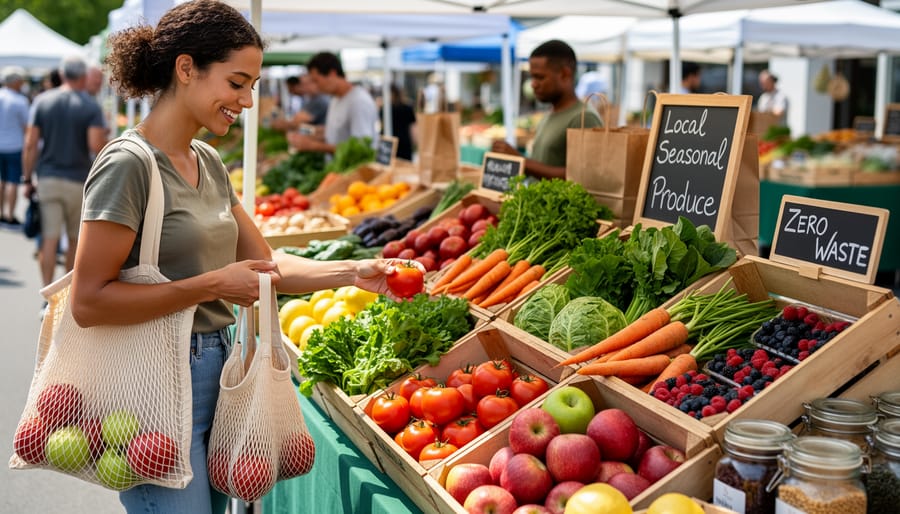
- Support farmers’ markets and local producers by planning menus around what’s available in your region
- Minimize packaging waste through mindful purchasing decisions and reusable container systems
- Create no-waste meal cycles where each recipe’s byproducts become ingredients for the next
- Build community connections through food swaps, shared meal prep sessions, and cooperative buying groups
The seasonal component becomes especially powerful when you align your planning with local growing cycles. Spring asparagus leads naturally into strawberry season, then summer tomatoes, autumn squash, and winter root vegetables. This rhythm connects you to your foodshed while ensuring variety throughout the year.
Many communities offer resources that amplify your individual planning efforts. Local food hubs, CSA programs, and preservation workshops provide structure and support. Some neighborhoods organize freezer meal swaps where participants prep dishes together, sharing both labor and ingredients. These partnerships turn food planning from a solitary task into a collective practice that strengthens both sustainability and community bonds.
Common Questions About Food Planning
Planning shouldn’t feel like another chore on your to-do list. These common questions come up whenever people start thinking about structured meal organization, and the answers might ease some of your concerns.
How much time does planning actually take?
Most people spend 15-30 minutes per week once they establish a routine, often while having their morning coffee or winding down on Sunday evening. The time you invest upfront typically saves hours during the week by eliminating daily “what’s for dinner” decisions and extra grocery trips.
What if my schedule changes unexpectedly?
Good planning builds in flexibility rather than rigid schedules. Think of your guide as a menu of prepared options, not a strict itinerary, you can swap meals around, freeze portions for later, or save planned ingredients for the following week.
How do I handle picky eaters in my household?
Start with a core meal everyone accepts, then let people customize their plates with different toppings, sauces, or side components. Planning actually makes this easier because you can prep base ingredients that work multiple ways.
Can I still eat spontaneously or order takeout?
Absolutely. Planning creates breathing room for spontaneity rather than restricting it, because you know what ingredients you have on hand and what can wait until tomorrow without spoiling.
How do I get started without feeling overwhelmed?
Begin with planning just three dinners for the week ahead using ingredients you already enjoy cooking. As that becomes comfortable, gradually add breakfast or lunch planning, then expand to a full week when you’re ready.
The biggest barrier most people face is perfectionism. Your first few plans won’t be flawless, and that’s completely fine. You’ll learn about food waste patterns in your own household, discover which recipes actually get made on busy weeknights, and figure out how much food your family realistically consumes. Each week teaches you something that makes the next week smoother. Many community programs offer planning workshops or buddy systems where you can share strategies with others who are navigating the same learning curve, which makes the process feel less solitary and more supportive.
Making Food Planning Work for You and the Planet
Starting a food planning practice doesn’t require perfection or dramatic lifestyle changes. Pick one approach that resonates with you, maybe a simple weekly template, a seasonal shopping strategy, or a zero-waste experiment, and give it a try for a few weeks. You’ll likely notice immediate benefits: less food going to waste, clearer grocery trips, and the satisfaction of using ingredients you actually bought. Over time, these small shifts add up to meaningful environmental impact.
The real power of food planning comes from combining personal practice with community action. Many regions offer workshops, food-sharing networks, and collaborative programs that make sustainable eating easier and more enjoyable. Look for local composting initiatives, farmers’ market partnerships, or meal-planning groups where you can exchange tips and learn from others navigating similar challenges. These connections turn individual efforts into collective impact.
Remember that your food planning guide should evolve with your needs, the seasons, and what you learn along the way. Some weeks will flow smoothly; others will require improvisation. That flexibility is the point. You’re building a sustainable relationship with food that works for your life and respects the planet’s resources. Start where you are, use what you have, and trust that each intentional choice moves you closer to the kind of eating pattern you want to create.